
Portuguese coconut cakes, known as Bolos de Coco, are one of those recipes I keep coming back to again and again. They have a chewy, macaroon-like texture on the outside, a soft custardy center, and they come together with just four simple ingredients. I made a batch last Sunday afternoon and they were gone before dinner even hit the table.
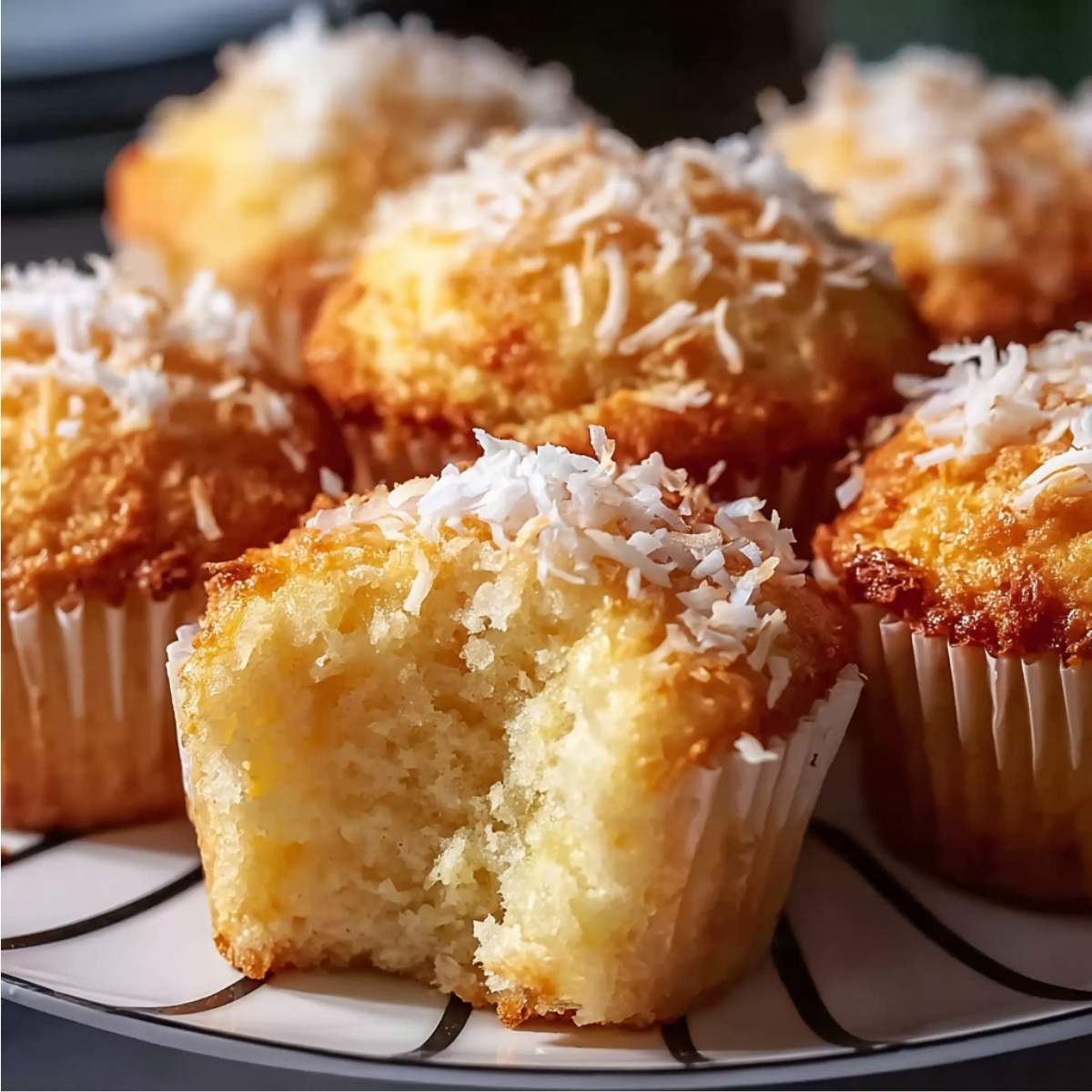
What makes these so special to me is how honest and simple they are. One bowl, no mixer, about 25 minutes from start to finish. Whether you grew up eating these at a Portuguese bakery or you are discovering them for the very first time, this old fashioned Portuguese coconut cake recipe is going to earn a permanent spot in your kitchen.
Jump to:
- Why You'll Love This Portuguese Coconut Cake Recipe
- Ingredients for Portuguese Coconut Cakes
- How to Make Portuguese Coconut Cakes
- My Top Tips for Portuguese Coconut Cakes
- Little Moments in the Kitchen
- Substitutions for Portuguese Coconut Cakes
- Variations on Portuguese Coconut Cakes
- Equipment for Portuguese Coconut Cakes
- Storage Tips for Portuguese Coconut Cakes
- Adam's Tip for Portuguese Coconut Cakes
- FAQ About Portuguese Coconut Cakes
- Conclusion
- Related
- Pairing
- recipe
Why You'll Love This Portuguese Coconut Cake Recipe
- It comes together in minutes. No mixer needed, no fancy equipment, just a bowl, a whisk, and a muffin tin. Even on my most tired weeknight, I can pull these together without breaking a sweat.
- Kid-approved every single time. Adam (my 11-year-old) declared these "better than store cookies," which in our house is the highest honor a baked good can receive.
- Budget-friendly and pantry-friendly. Condensed milk, eggs, and shredded coconut are affordable staples you can find at any grocery store. This is real home baking, not expensive restaurant pastry.
Ingredients for Portuguese Coconut Cakes
You only need a handful of simple, honest ingredients for this recipe, and that is exactly what I love about it. No long shopping lists, no specialty items that cost a fortune. Grandma Viola always said the best recipes have the shortest ingredient lists, and she was absolutely right.
What You'll Need
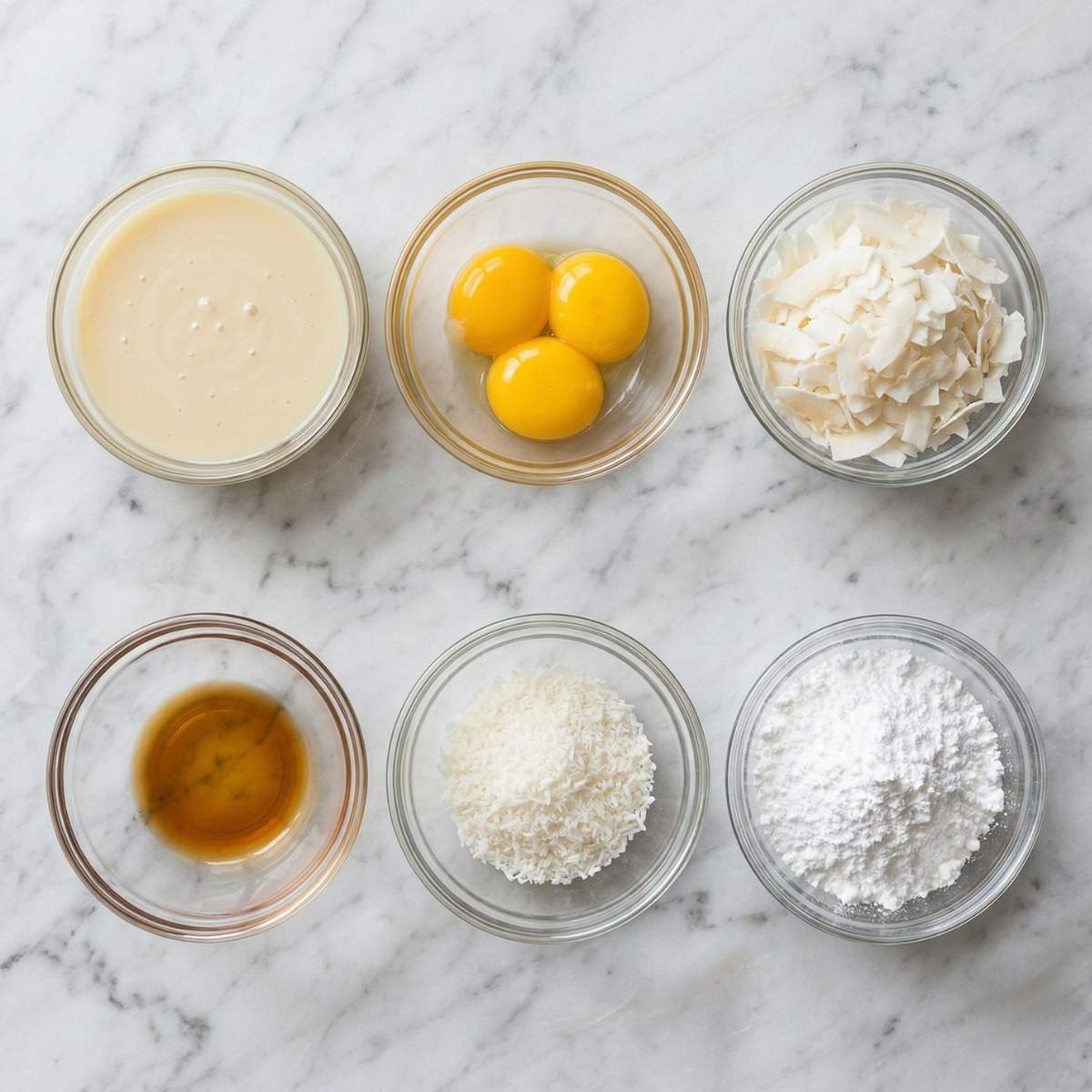
For the Coconut Cake Batter:
- 1 can (395g / 14 oz) sweetened condensed milk
- 3 large egg yolks, at room temperature
- 200g (about 2 cups) unsweetened shredded coconut, plus extra for topping
- 1 teaspoon pure vanilla extract (optional, but I always add it)
Optional Topping:
- 2 to 3 tablespoons unsweetened shredded coconut, for sprinkling on top
- Powdered sugar, for dusting once cooled
Why These Ingredients Matter
- Sweetened condensed milk is the heart of this recipe. It gives the cakes their rich, creamy, milky custard base without needing any added sugar or butter. It also creates that signature chewy texture.
- Egg yolks add a beautiful golden color and a silky, slightly custardy richness to each cake. Using yolks only (not whole eggs) keeps the texture dense and moist rather than fluffy, which is exactly what a traditional Bolo de Coco should be.
- Unsweetened shredded coconut gives you that toasted coconut flavor and chewy bite. Using unsweetened coconut is important here because the condensed milk already brings plenty of sweetness. Sweetened coconut flakes would make these way too sweet.
How to Make Portuguese Coconut Cakes
This is one of those recipes where simple technique makes a big difference. Do not rush the mixing, and keep a close eye on your oven, because these little cakes go from perfectly golden to overdone quickly.
Step-by-Step Directions
- Preheat your oven to 350°F (175°C). Line a standard 12-cup muffin tin with paper cupcake liners or grease the cups well with butter. I prefer liners because the cakes pop right out without sticking.
- Mix your batter. In a large mixing bowl, combine the condensed milk and egg yolks. Whisk them together until smooth and fully blended, about 1 to 2 minutes. You want a pale, creamy mixture with no streaks of yolk.
- Add the coconut. Stir in the 200g of shredded coconut and the vanilla extract if using. Mix well until every bit of coconut is coated in that sweet, creamy mixture. The batter will be thick and sticky, and that is perfect.
- Fill the muffin tin. Scoop the batter evenly into the lined muffin cups, filling each about three-quarters full. Use the back of a spoon or wet fingertips to gently press and smooth the tops. Sprinkle a pinch of extra shredded coconut over each one.
- Bake for 18 to 22 minutes. Place the tin in the preheated oven and bake until the tops are golden brown and the edges are set. The centers might look just slightly soft when you pull them out, and that is fine. They firm up beautifully as they cool.
- Cool before eating. Let the cakes rest in the tin for 5 minutes, then transfer them to a wire rack to cool completely. Dust with powdered sugar if you like a little extra sweetness on top.
Tip: For that gorgeous toasted coconut flavor on top, sprinkle the extra coconut before baking rather than after. It toasts right in the oven and gives each cake a beautiful, nutty top.
If you love simple, cozy baked treats like these, you might also want to try our Elegant Black Forest Cake Roll for something a little more show-stopping on weekends.
My Top Tips for Portuguese Coconut Cakes
The single most important thing I can tell you is this: do not overbake these cakes. Pull them out of the oven as soon as the tops are golden and the edges look set, even if the very center still looks a little soft. The residual heat inside the tin continues cooking them after you take them out.
Overbaked Bolos de Coco turn dry and crumbly instead of that perfect chewy-soft texture that makes them so addictive. Trust the timer, trust the golden color, and walk away from the oven.
Little Moments in the Kitchen
The first time I made these, Adam wandered into the kitchen about halfway through mixing and looked at the bowl with a very skeptical face. "Mom, that looks like wet grass," he said, completely serious. I almost fell over laughing. Wet grass! He did not hold back, that kid. I told him to just wait until they came out of the oven, and he stood in front of the oven with his nose practically pressed against the glass for the last five minutes of baking.
When I put one in front of him, still warm and dusted with powdered sugar, he took one bite and went completely quiet. Then he looked up and said, "Okay. Not grass." High praise from an 11-year-old. Grandma Viola, who was sitting at the kitchen table with her tea, just smiled and said, "See? The best things always look a little funny before they are beautiful." I wrote that one down.
Substitutions for Portuguese Coconut Cakes
- Condensed milk: Use a mix of half condensed milk and half full-fat coconut milk for a lighter, more tropical flavor with less sweetness.
- Egg yolks: In a pinch, two whole eggs will work, though the texture will be slightly less dense and custardy.
- Shredded coconut: Desiccated coconut works beautifully here if that is what you have. The texture will be slightly finer but still delicious.
- Vanilla extract: Swap for almond extract if you want a slightly different flavor profile, or skip it entirely for a pure coconut taste.
- Muffin tin: If you do not have a muffin tin, a greased square baking mold or small ramekins work well. Just adjust the baking time as needed.
Variations on Portuguese Coconut Cakes
- Raspberry Jam Center: Press a small indentation into each cake before baking and add half a teaspoon of raspberry jam. The sweet-tart jam against the coconut is incredible.
- Chocolate Drizzle: Once the cakes are fully cooled, melt some dark chocolate and drizzle it over the tops. These make a gorgeous little dessert for dinner parties.
- Lemon Coconut: Add one teaspoon of fresh lemon zest to the batter. The brightness of the lemon cuts through the sweetness and makes these feel a little lighter and more refreshing for summer.
Looking for more indulgent dessert inspiration? Our Red Velvet Cheesecake Layer Cake is another crowd-pleaser worth bookmarking.
Equipment for Portuguese Coconut Cakes
- Standard 12-cup muffin tin: The individual cups give each cake its shape and that slightly crisp outer edge. Do not skip the liners unless your tin is very well-seasoned.
- Large mixing bowl: You want enough room to stir the thick coconut batter without spilling it everywhere. Ask me how I know.
- Balloon whisk: Great for blending the condensed milk and egg yolks into a smooth, even base quickly.
- Wire cooling rack: Cooling the cakes on a rack prevents the bottoms from getting soggy from steam.
- Ice cream scoop or large spoon: The batter is thick and sticky, and a scoop makes portioning much neater and more even.
Storage Tips for Portuguese Coconut Cakes
- Store in an airtight container at room temperature for up to 3 days. They actually get slightly chewier on day two, which I think makes them even better.
- Refrigerate for up to 5 days if your kitchen runs warm. Bring to room temperature before serving for the best texture.
- Freeze baked cakes in a single layer, then transfer to a freezer bag for up to 1 month. Thaw at room temperature for about 30 minutes before eating.
- Do not store with strong-smelling foods in the fridge. Coconut absorbs odors faster than you would think.
For another make-ahead dessert that stores and travels beautifully, check out our Black Forest Trifle.
Adam's Tip for Portuguese Coconut Cakes
"Always put extra coconut on top before it goes in the oven. That crunchy toasted part is the best bite." (He is not wrong.)
FAQ About Portuguese Coconut Cakes
What is the most popular cake in Portugal?
Portugal is famous for its egg-based pastries and cakes. Pasteis de Nata (custard tarts) are probably the most internationally known, but Bolos de Coco are hugely popular in Portuguese bakeries and homes, especially because they are so quick and easy to make with pantry staples.
What does "Bolo de Coco" mean?
"Bolo de Coco" simply means "coconut cake" in Portuguese. "Bolo" is the Portuguese word for cake, and "coco" means coconut. You will also see them called Bolos de Coco (plural) in bakeries across the country.
What is the famous dessert in Portugal?
Pasteis de Nata (egg custard tarts) are the most famous Portuguese dessert worldwide, originating from the Jerónimos Monastery in Lisbon. However, Bolos de Coco are a beloved traditional treat found in almost every Portuguese home and pastelaria (pastry shop).
What are Portuguese cakes called?
Portuguese cakes and pastries are generally called "bolos" (singular: bolo). The country has a rich tradition of egg and sugar-based sweets, many of which date back centuries to convent baking traditions.
Can I make these Portuguese coconut cakes with coconut milk?
Yes, and they are wonderful that way. Replace half the condensed milk with full-fat coconut milk for a slightly softer, more tropical result. The texture is a little less chewy and a bit more custardy, which some people actually prefer. Try both versions and see which one becomes your favorite.
Conclusion
These little golden cakes are proof that the best baking does not have to be complicated. A can of condensed milk, a few egg yolks, and a bag of shredded coconut is truly all you need to make something your whole family will ask for again and again. I have made this Portuguese coconut cakes recipe more times than I can count, and it has never once let me down.
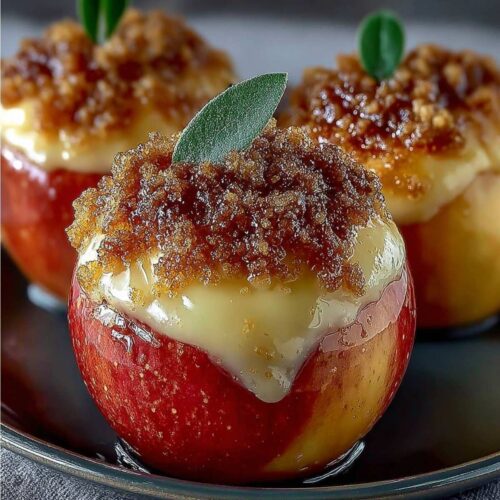
Give them a try this weekend and let me know what you think in the comments below. I would love to see your photos too, so tag us on Pinterest when you bake a batch! And if you want to learn even more about the history behind these traditional treats, AllRecipes has a wonderful guide to Bolos de Coco worth reading. If you are already thinking about what to bake next, our Cheesecake Stuffed Apples are waiting for you.
Related
Looking for other recipes like this? Try these:




Pairing
These are my favorite dishes to serve with Portuguese Coconut Cakes:


recipe
Easy Portuguese Coconut Cakes (Bolos de Coco)
Equipment
- 1 Standard 12-cup muffin tin Use paper liners so the cakes pop out easily!
- 1 Large mixing bowl Olivia loves using the big glass bowl so she can see the 'snow' (coconut) mix in.
- 1 Balloon whisk Perfect for getting that condensed milk and egg mixture smooth.
Ingredients
- 1 can (14 oz) Sweetened condensed milk The secret to that perfect milky custard base.
- 3 large Egg yolks Room temperature works best for a silky texture.
- 200 grams Unsweetened shredded coconut Plus a little extra for sprinkling on top!
- 1 teaspoon Pure vanilla extract Optional, but it adds a lovely floral note.
Instructions
- Preheat and Prep: First, honey, let’s get the oven ready! Preheat it to 350°F (175°C). While that warms up, you can help me line our muffin tin with the paper liners. It's like putting little clothes on the cakes so they don't get stuck!
- Whisk the Base: In our big bowl, let’s pour in the [sweetened condensed milk] and add those golden [egg yolks]. Whisk them together until they look like a pale, creamy sunshine. This is usually where Olivia tells me it smells like 'sweet clouds'!
- Fold in the Coconut: Now for the fun part! Stir in the [shredded coconut] and the [vanilla extract]. The batter will get very thick and sticky. Make sure every bit of coconut is wearing a 'coat' of the milk mixture. If you're helping a little one, let them try the first few stirs, it’s a great arm workout!
- Fill the Tin: Ladle the batter into the muffin liners, filling them about three-quarters full. Use the back of your spoon to smooth the tops. Olivia loves to add the 'finishing touch', a little pinch of extra [shredded coconut] on top of each one so they look snowy.
- Bake to Golden Perfection: Pop them in the oven for 18 to 22 minutes. Keep a close eye on them! We want the tops to be toasted golden brown. When the house starts smelling like a tropical bakery, you’ll know they’re almost done. Let them cool in the tin for 5 minutes before moving them to a rack.
Notes
- Don't overbake: These are best when the center is still a tiny bit soft. They will firm up as they cool!
- Storage: Keep these in an airtight container at room temperature for 3 days. They actually get chewier and better on day two.
- Pro Tip: If you want a more 'bakery-style' look, dust them with a tiny bit of powdered sugar once they are completely cool.
- Variation: Sometimes Olivia and I press a little [raspberry jam] into the center before baking for a fruity surprise!




Leave a Reply