
Searching for a dairy-free pancake recipe that doesn't sacrifice that buttery, rich "diner-style" texture? You've found it. Using coconut cream instead of milk or water adds a depth of flavor and a tender crumb that most recipes miss. These Coconut Cream Pancakes are naturally decadent, satisfyingly filling, and perfect for anyone looking to elevate their morning routine with wholesome, plant-based fats without losing the "comfort food" feel.
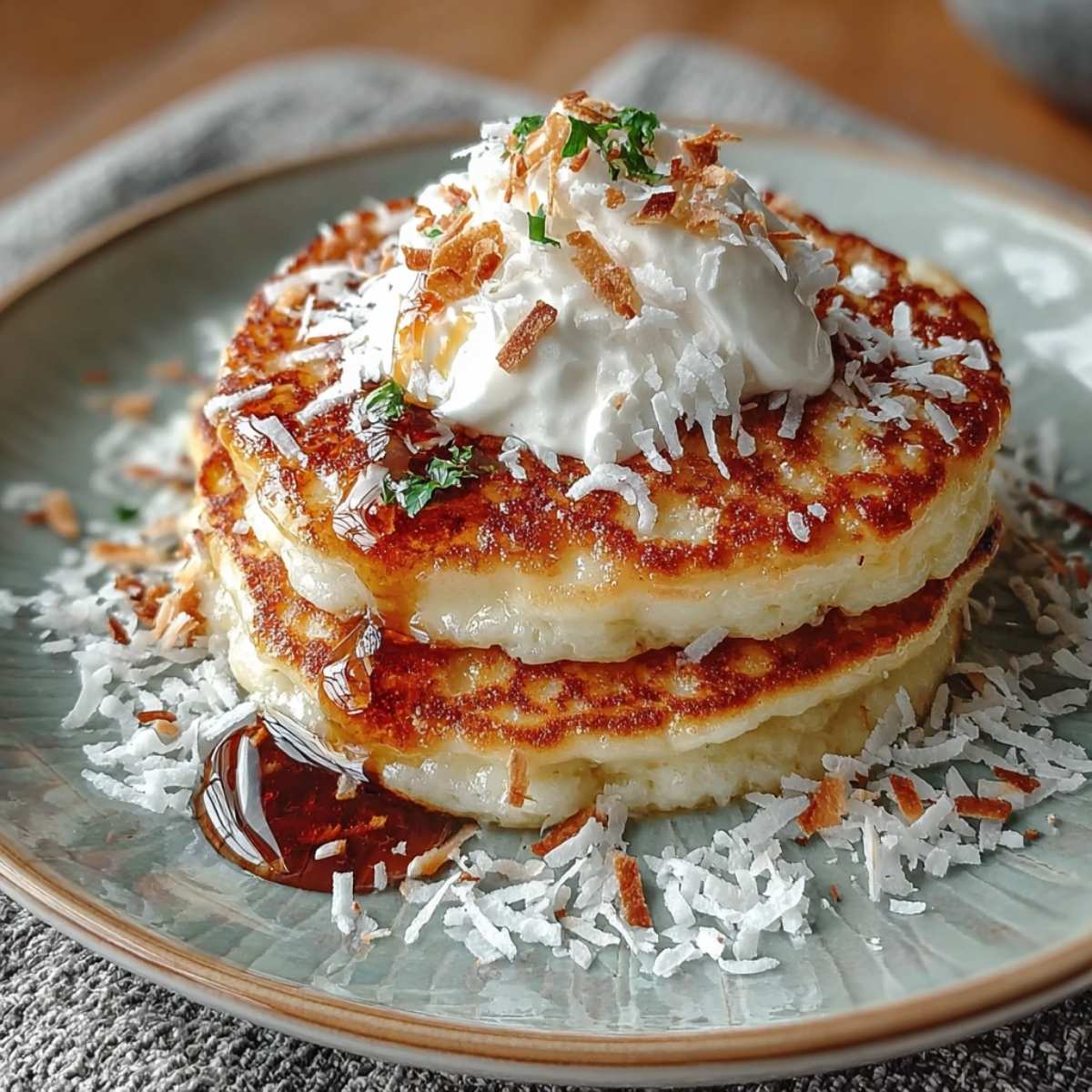
This coconut milk pancake recipe is pure tropical magic in our house. The buttermilk rise and moist crumb technique ensures these easy coconut cream pancakes stay incredibly soft and fluffy, while optional mix-ins like banana coconut cream pancakes or white chocolate and coconut mix-ins add even more indulgence. Whether you're making coconut cream pancakes from scratch for a special occasion brunch or just treating yourself to a weekend breakfast, these deliver restaurant-quality results every single time.
Jump to:
- Why You'll Love These Coconut Cream Pancakes
- Ingredients for Coconut Cream Pancakes
- How to Make Coconut Cream Pancakes
- My Top Tips for Perfect Coconut Cream Pancakes
- Little Moments in the Kitchen
- Substitutions for Coconut Cream Pancakes
- Variations on Coconut Cream Pancakes
- Equipment for Making Coconut Cream Pancakes
- Storage Tips for Coconut Cream Pancakes
- Adam's Tip for Coconut Cream Pancakes
- FAQ About Coconut Cream Pancakes
- Conclusion
- Related
- Pairing
- recipe
Why You'll Love These Coconut Cream Pancakes
- Incredibly tender texture. The coconut cream creates a moisture level that regular milk simply can't match, resulting in the softest pancakes you've ever made.
- Flexible toppings and mix-ins. Works beautifully with maple mascarpone cream topping, fresh fruit, toasted coconut, or even a drizzle of rum-spiked syrup.
- Dairy-free adaptable. This recipe is naturally dairy-free friendly and can easily be made coconut cream pancakes vegan with simple swaps.
Ingredients for Coconut Cream Pancakes
Rich, tropical, irresistible.
What You'll Need
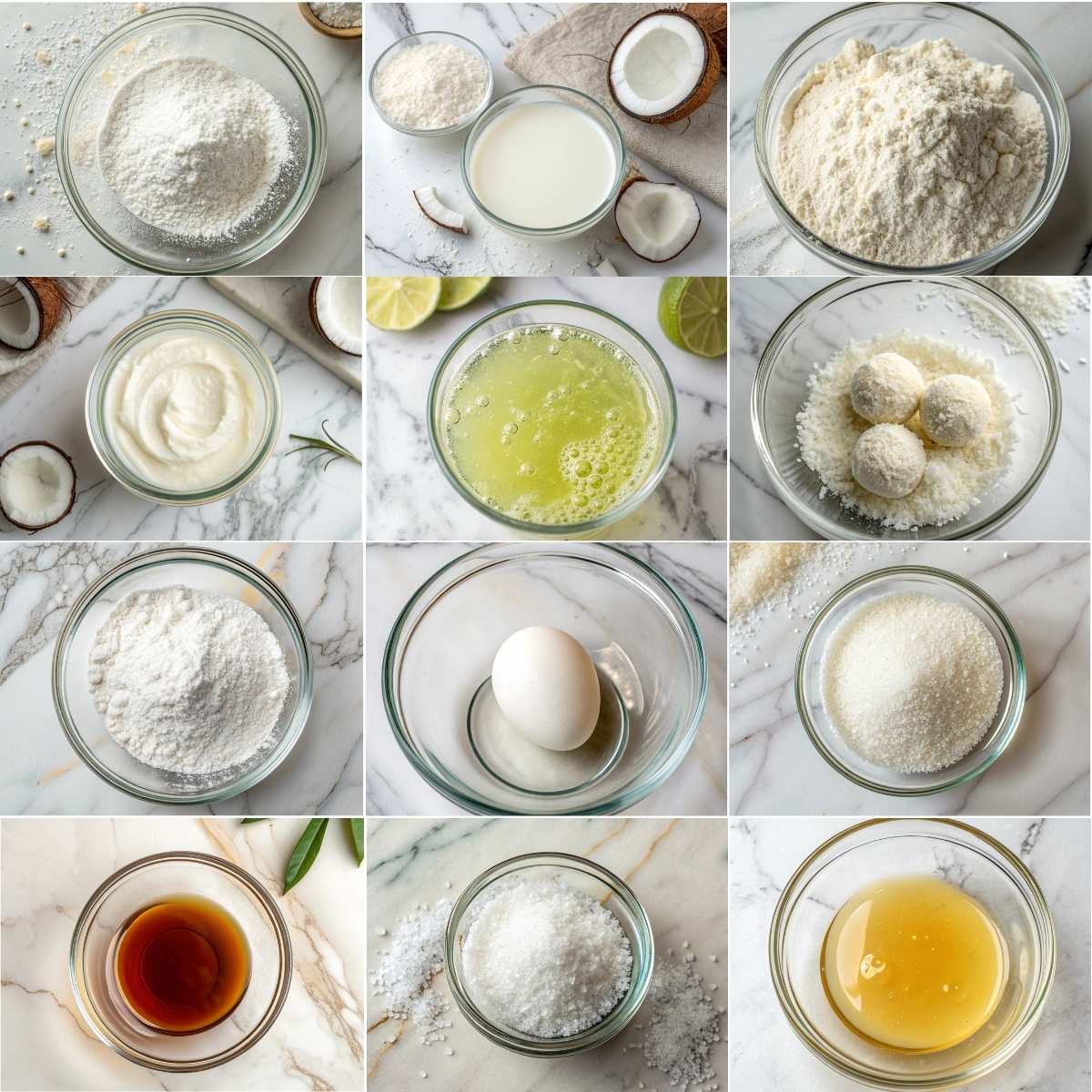
For the Coconut Pancakes:
- 1 ½ cups all-purpose flour
- 2 tablespoons granulated sugar
- 2 teaspoons baking powder
- ½ teaspoon baking soda
- ½ teaspoon salt
- 1 cup canned coconut cream (the thick part from a chilled can) (coconut cream pancakes, coconut milk pancake batter)
- ½ cup coconut milk (or regular milk) (coconut cream pancakes with coconut milk)
- 1 large egg (coconut milk pancakes with egg)
- 2 tablespoons melted coconut oil, plus more for cooking
- 1 teaspoon vanilla extract
- ½ teaspoon rum extract (optional, for Caribbean spices and rum infusion)
- ½ cup sweetened shredded coconut (shredded coconut texture)
- 1 tablespoon fresh lime juice (or lemon juice)
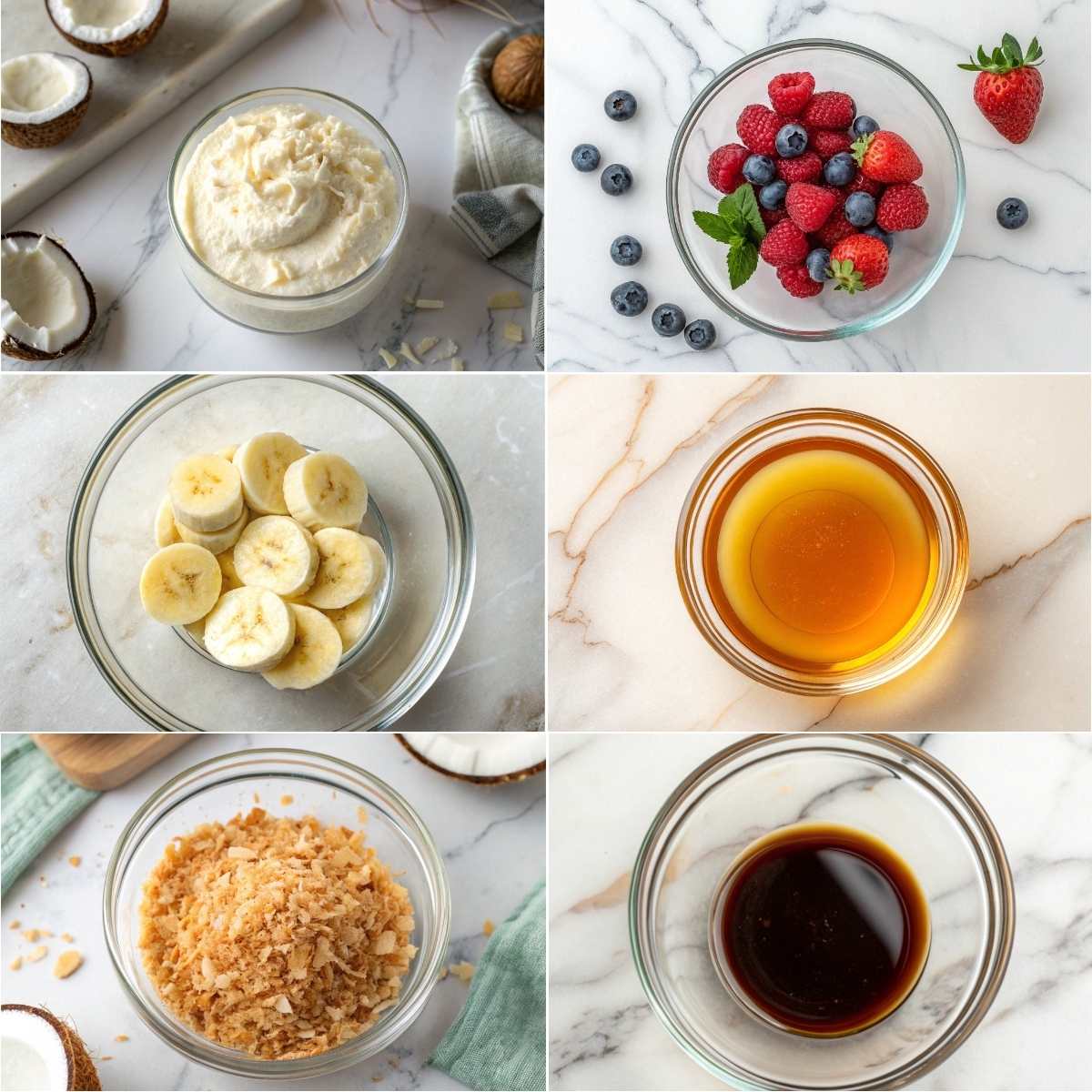
For the Coconut Whipped Cream Topping (Optional):
- 1 cup coconut cream, chilled overnight (maple mascarpone cream topping alternative)
- 2 tablespoons powdered sugar
- ½ teaspoon vanilla extract
For Serving:
- Toasted coconut flakes
- Fresh banana slices (banana coconut cream pancakes)
- Maple syrup
- Fresh berries
Why These Ingredients Matter
Coconut cream is thicker than coconut milk. Using the thick coconut cream from the top of a chilled can creates a richer batter that produces ultra-fluffy pancakes with more pronounced coconut flavor than coconut milk alone.
Lime juice activates the baking soda. The acid in lime juice reacts with the baking soda to create extra lift and fluffiness, while also adding a subtle brightness that enhances the coconut flavor.
Shredded coconut adds texture. The small pieces of coconut throughout the batter create pockets of chewy sweetness and reinforce the tropical flavor in every bite.
How to Make Coconut Cream Pancakes
Step-by-Step Directions
- Prepare the coconut cream. If using canned coconut cream, refrigerate the can overnight so the thick cream separates from the liquid. Scoop out 1 cup of the thick cream for the batter and reserve additional cream for topping if desired.
- Mix the dry ingredients. In a large mixing bowl, whisk together the flour, sugar, baking powder, baking soda, and salt until well combined.
- Combine the wet ingredients. In a separate medium bowl, beat the egg with a fork. Add the coconut cream, coconut milk, melted coconut oil, vanilla extract, rum extract (if using), and lime juice. Whisk until smooth and well combined.
- Combine wet and dry. Pour the wet ingredients into the dry ingredients and stir gently with a wooden spoon or spatula just until combined. The batter should be slightly lumpy - do not overmix or the pancakes will be tough. Fold in the shredded coconut.
- Let the batter rest. Allow the batter to rest for 5 minutes. This gives the baking powder time to activate and the flour time to hydrate, resulting in fluffier pancakes.
- Heat the griddle. Heat a non-stick griddle or large skillet over medium heat. Add a small amount of coconut oil and let it melt, then wipe away excess with a paper towel, leaving just a thin coating.
- Cook the pancakes. Pour ¼ cup of batter onto the hot griddle for each pancake, spacing them about 2 inches apart. Cook for 2 to 3 minutes until bubbles form on the surface and the edges look set. Flip and cook another 1 to 2 minutes until golden brown and cooked through. Repeat with remaining batter, adding more coconut oil between batches as needed.
- Make the coconut whipped cream (optional). While pancakes cook, beat the chilled coconut cream with powdered sugar and vanilla extract using an electric mixer on high speed for 2 to 3 minutes until light and fluffy.
- Serve hot. Stack the pancakes on plates and top with coconut whipped cream, toasted coconut flakes, fresh banana slices, and a drizzle of maple syrup.
Quick Tip: For coconut cream pancakes healthy version, use whole wheat flour and reduce sugar to 1 tablespoon.
My Top Tips for Perfect Coconut Cream Pancakes
- Don't overmix the batter. Stir just until the dry ingredients are moistened - lumpy batter makes fluffy pancakes. Overmixing develops gluten and creates tough, dense pancakes.
- Use medium heat, not high. Coconut cream and sugar in the batter make these more prone to burning. Medium heat ensures the inside cooks through before the outside burns.
- Chill the coconut cream overnight. This is essential for both the batter and the whipped topping. Cold coconut cream separates into thick cream and thin liquid, and you want only the thick part.
- Wait for bubbles before flipping. When you see bubbles forming across the entire surface and the edges look dry, that's your signal to flip. Flipping too early results in uncooked centers.
Little Moments in the Kitchen
When I told Adam we were making coconut cream pancakes, his eyes lit up. "Coconut? Like the kind on vacation?" Kind of, I said with a smile. "These taste tropical and special, like weekend pancakes should." He looked intrigued. "Can I help make them?"
He watched as I scooped the thick coconut cream from the top of the chilled can. "Whoa, that's like frosting!" It's the thick part that makes these pancakes so fluffy, I explained. When I whisked together the wet ingredients, he noticed the lime juice. "Lime? In pancakes?" Just a little bit, I told him. It makes the pancakes fluffier and adds a tiny bit of brightness that makes the coconut taste even better. "That's so cool!"
Grandma Viola arrived just as I was folding the shredded coconut into the batter. She peered into the bowl and smiled. "Now those are going to be some special pancakes," she said. "You know, the secret to truly fluffy coconut pancakes is understanding how coconut cream works differently from regular milk. See how thick that coconut cream is? That richness creates an incredibly tender crumb that regular buttermilk just can't match. But you can't treat it exactly like milk - it's heavier, so you need to balance it with some thinner coconut milk or the pancakes will be too dense.
That lime juice you added? That's smart. The acid reacts with the baking soda to create extra lift, and it brightens the coconut flavor without making it taste citrusy. Now, when you mix the batter, don't overmix it. See those lumps? Leave them. Lumpy batter makes fluffy pancakes. If you stir until it's smooth, you'll develop the gluten and end up with tough, chewy pancakes instead of light, fluffy ones. And here's something important: let that batter rest for 5 minutes before you start cooking. That gives the flour time to absorb the liquid and the baking powder time to start working. When you cook them, use medium heat, not high.
The sugar and coconut make these brown faster than regular pancakes, so if your heat is too high, you'll burn the outside before the inside cooks. Wait until you see bubbles across the whole surface before you flip - that's your signal that the bottom is golden and the inside is almost cooked. These are the kind of pancakes that make weekend mornings feel special. They're rich, they're tropical, and they're just a little bit fancy!" When we finally sat down to eat, Adam took a bite of his pancake topped with coconut whipped cream and his face lit up. "Mom! These taste like we're on vacation! The coconut cream on top makes them taste like dessert for breakfast!"
For more special breakfast treats, try our Baked Eggs Napoleon. Delicious!
Substitutions for Coconut Cream Pancakes
- Coconut cream: In a pinch, use full-fat coconut milk, though the texture will be slightly less rich.
- Coconut milk: Substitute with any milk (dairy, almond, oat) for a less tropical but still delicious pancake.
- Egg: Use a flax egg (1 tablespoon ground flaxseed + 3 tablespoons water, let sit 5 minutes) for coconut cream pancakes vegan version.
- All-purpose flour: Try whole wheat flour or a 1:1 gluten-free flour blend for dietary needs.
Variations on Coconut Cream Pancakes
- Easy Coconut Cream Pancakes (Classic Version): Follow the recipe above for the easy coconut cream pancakes everyone will love.
- Coconut Cream Pancakes from Scratch (Homemade Everything): Make homemade coconut cream by blending fresh coconut meat with water for the coconut cream pancakes from scratch ultimate approach.
- Coconut Cream Pancakes Vegan (Plant-Based Version): Replace egg with flax egg and ensure all ingredients are plant-based for the coconut cream pancakes vegan friendly method.
- Banana Coconut Cream Pancakes (Fruity Version): Mash 1 ripe banana into the wet ingredients for the banana coconut cream pancakes naturally sweet variation.
- Coconut Cream Pancakes Healthy (Wholesome Version): Use whole wheat flour, reduce sugar, and skip the whipped cream for the coconut cream pancakes healthy lighter option.
Looking for more brunch inspiration? Check out our Blueberry Cream Cheese Bread. So good!
Equipment for Making Coconut Cream Pancakes
- Large non-stick griddle or skillet: Essential for cooking multiple pancakes at once with even heat distribution (fluffy coconut-y pancakes).
- Mixing bowls (2): One for dry ingredients, one for wet ingredients.
- Whisk: For combining ingredients smoothly without overmixing.
- ¼ cup measuring cup or ladle: For portioning consistent pancake sizes.
Storage Tips for Coconut Cream Pancakes
- Room temperature: These tropical coconut breakfast pancakes are best enjoyed fresh and hot off the griddle.
- Refrigerator: Store leftover pancakes in an airtight container in the refrigerator for up to 3 days. Reheat in a toaster or microwave.
- Freezer: Stack cooled pancakes with parchment paper between each one, place in a freezer bag, and freeze for up to 2 months. Reheat from frozen in the toaster or microwave.
- Coconut whipped cream: Store separately in an airtight container in the refrigerator for up to 3 days. Re-whip briefly before serving if it separates.
For more coconut recipes, try our Cheesy Texas Toast. Amazing!
Adam's Tip for Coconut Cream Pancakes
"Make sure you put lots of the coconut whipped cream on top - it's like having dessert for breakfast! And if you have extra shredded coconut, toast it in a pan until it's brown and crispy and sprinkle it on top. It makes everything taste even more coconut-y!"
FAQ About Coconut Cream Pancakes
What is the difference between coconut cream and coconut milk in pancakes?
Coconut cream is much thicker and richer than coconut milk, which makes a significant difference in pancake texture and flavor. Coconut cream is the thick, fatty layer that rises to the top when a can of full-fat coconut milk is refrigerated, and it contains about 60-70% fat compared to coconut milk's 15-20%. In pancakes, coconut cream creates an incredibly tender, moist crumb similar to using heavy cream in a recipe, while coconut milk produces a lighter, more standard pancake texture. For the richest, most coconut-y pancakes, use coconut cream in the batter and coconut milk for thinning if needed. If you only have coconut milk, you can use it, but the pancakes won't be quite as fluffy or have as pronounced a coconut flavor!
Can I make coconut cream pancakes without eggs?
Yes! To make coconut cream pancakes vegan and egg-free, simply replace each egg with a flax egg (1 tablespoon ground flaxseed mixed with 3 tablespoons water, let sit for 5 minutes until gel-like). The flax egg provides binding and structure similar to a regular egg. You can also use a chia egg (same ratio with chia seeds) or a commercial egg replacer following package directions. Another option is to use ¼ cup mashed banana or unsweetened applesauce per egg, though this will add moisture and a slight flavor change. The coconut cream itself helps keep the pancakes moist and fluffy even without eggs, so vegan versions turn out beautifully!
Why are my coconut pancakes burning on the outside but raw in the middle?
This happens when the heat is too high or the batter is too thick. Coconut cream and sugar in the batter make these pancakes more prone to burning than regular pancakes because the sugars caramelize quickly on high heat. Reduce your burner to medium or medium-low and be patient - these need a gentler heat to cook through evenly. If your batter seems very thick, thin it slightly with a tablespoon or two of coconut milk. Another tip is to make slightly smaller pancakes (3-inch diameter instead of 4-5 inch) so the centers cook through faster. Wait until you see bubbles across the entire surface before flipping, which ensures the inside is mostly cooked. A properly heated pan at the right temperature should cook these in about 2-3 minutes per side!
How do I make coconut whipped cream that stays fluffy?
The key to stable coconut whipped cream is using full-fat coconut cream (not coconut milk) that's been refrigerated overnight, and only whipping the thick part. Chill the can upside down overnight so the cream hardens on top. Open it carefully and scoop out only the solid white cream, leaving the clear liquid behind. Also chill your mixing bowl and beaters for 15 minutes before whipping. Add powdered sugar (not granulated) and vanilla, then beat on high speed for 2-3 minutes until fluffy. Don't overbeat or it can become grainy. For extra stability, add 1 teaspoon of cornstarch or tapioca starch to the cream before whipping. Use immediately or refrigerate for up to 3 days - it may separate slightly but can be re-whipped briefly before serving!
For more coconut breakfast ideas, check out these Coconut Banana Pancakes from Allrecipes.
Conclusion
It's rare to find a decadent breakfast that feels this light yet satisfyingly rich. These pancakes prove that swapping out dairy for coconut cream isn't just a substitution, it's an upgrade. They hold up beautifully to toppings like toasted macadamia nuts or fresh pineapple.
If you enjoyed this dairy-friendly twist, be sure to pin this recipe for your next big family brunch!
Related
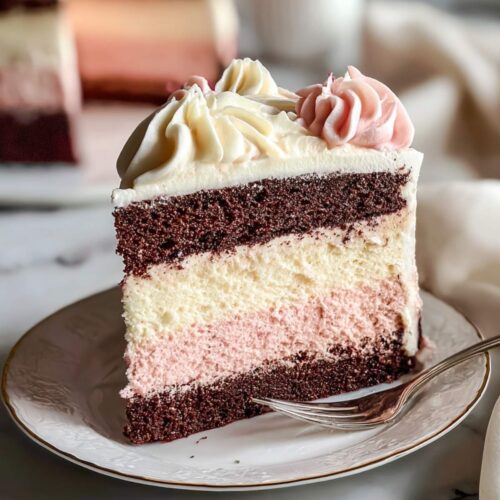
Looking for other recipes like this? Try these:


Pairing
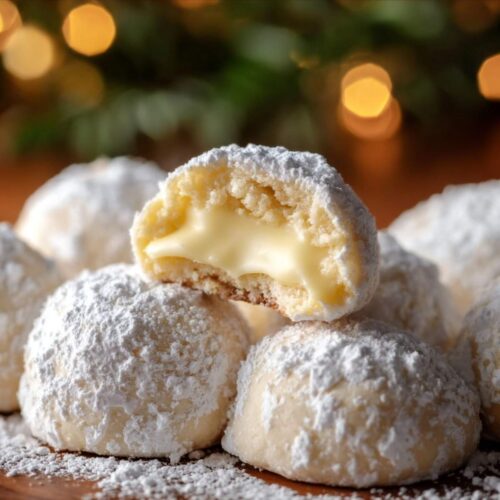
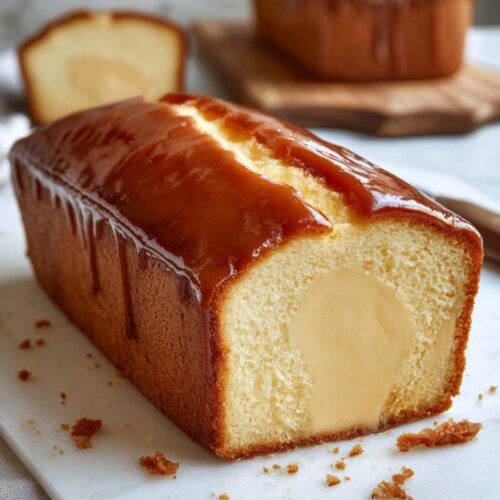
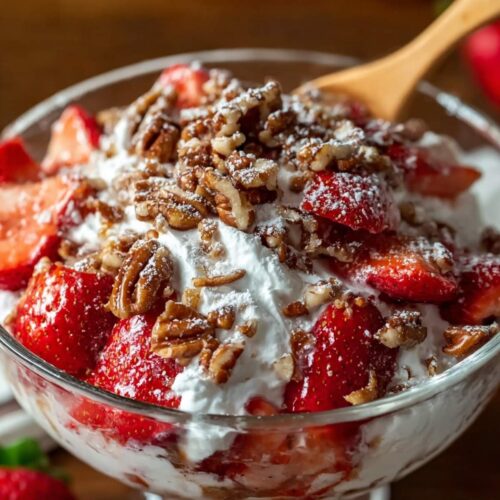
These are my favorite dishes to serve with Coconut Cream Pancakes:
recipe
Coconut Cream Pancakes
Equipment
- 1 Large non-stick skillet or griddle Preheat over medium heat for even browning
- 2 Mixing bowls One for dry ingredients and one for wet
- 1 Whisk Helps keep the batter light and airy
- 1 Measuring cups and spoons
- 1 Spatula Use a thin spatula for easy flipping
Ingredients
- 1 ½ cups all-purpose flour
- 2 tablespoons granulated sugar
- 2 teaspoons baking powder
- ½ teaspoon baking soda
- ½ teaspoon salt
- 1 cup coconut cream Use the thick part from a chilled can
- ½ cup coconut milk
- 1 large egg
- 2 tablespoons coconut oil Melted and slightly cooled
- 1 teaspoon vanilla extract
- ½ cup sweetened shredded coconut
- 1 tablespoon fresh lime juice
Instructions
- Mix the dry ingredients: I let my daughter Olivia pour the flour into the bowl while I read the measurements. We whisk together the all-purpose flour, granulated sugar, baking powder, baking soda, and salt until everything looks light and evenly mixed. I always remind her that this step helps make the pancakes fluffy.
- Combine the wet ingredients: In another bowl, Olivia cracks the egg while I cheer her on. We whisk in the coconut cream, coconut milk, coconut oil, vanilla extract, and lime juice until smooth. She loves watching the thick coconut cream turn silky.
- Make the batter: We gently pour the wet ingredients into the dry ingredients and stir just until combined. I tell Olivia that lumps are okay and actually make better pancakes. Then she sprinkles in the shredded coconut and gives it one last gentle mix.
- Rest the batter: We let the batter rest for 5 minutes. This is usually when Olivia sneaks a taste of coconut flakes and sets the table. Resting the batter helps the pancakes cook up soft and tall.
- Cook the pancakes: I heat the skillet over medium heat and lightly grease it. Olivia watches for bubbles as I pour the batter. When bubbles form on top, she tells me it is time to flip. We cook until golden on both sides and stack them proudly on a plate.
- Serve and enjoy: We serve the pancakes warm with extra coconut on top and a drizzle of maple syrup. Olivia always says they taste like vacation pancakes, and that makes them even better.
Notes
- These pancakes freeze beautifully. Let them cool completely, then store in a freezer-safe bag for up to 2 months.
- For a vegan version, replace the egg with a flax egg made from 1 tablespoon ground flaxseed and 3 tablespoons water.
- If you prefer a lighter coconut flavor, use unsweetened shredded coconut instead of sweetened.
-

Leave a Reply