
Buttermilk Beignets are the kind of breakfast treat that makes you feel like you're sitting at a cafe table in the French Quarter, even if you're just in your own kitchen wearing pajamas. These light, pillowy squares of fried dough get their signature tender texture from the tangy buttermilk in the dough, which creates a crumb so delicate it practically melts on your tongue. Unlike traditional beignets that rely solely on regular milk, these buttermilk beignets have a subtle complexity and extra softness that elevates them from "really good" to "genuinely unforgettable."
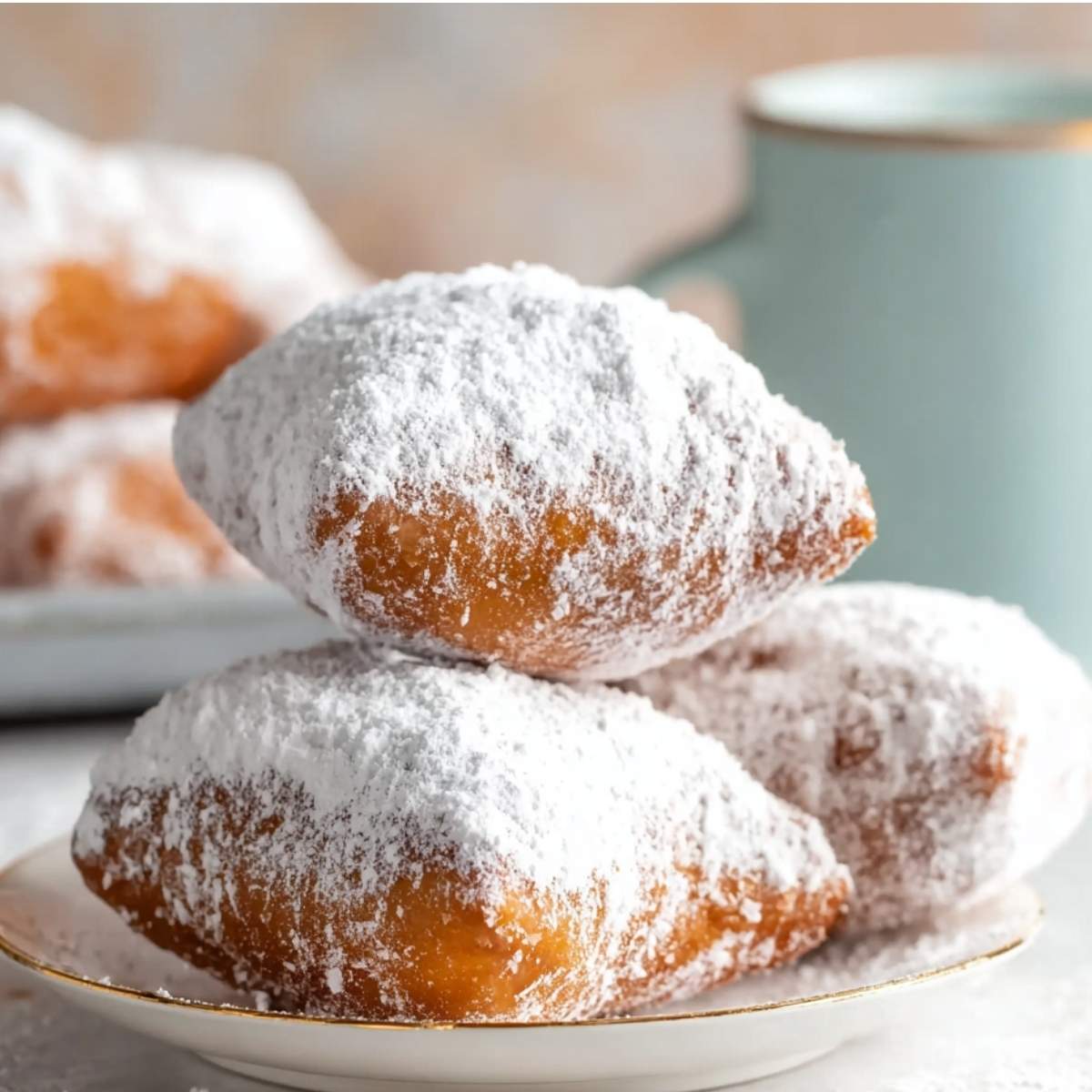
What I love most about this recipe is how accessible it is for home bakers. The dough comes together easily in a stand mixer, rises beautifully, and fries up into those iconic golden squares that puff up like little pillows in the hot oil. The first time I made these buttermilk beignets, Adam watched the whole process with intense skepticism, convinced that "real beignets" could only come from New Orleans. One bite later, covered head to toe in powdered sugar, he declared these better than the ones he'd had on his school trip, which is the kind of validation that makes the extra cleanup worth it.
Jump to:
- Why You'll Love This Buttermilk Beignets
- Ingredients for Buttermilk Beignets
- How to Make Buttermilk Beignets
- My Top Tips for This Recipe
- Little Moments in the Kitchen
- Substitutions for Buttermilk Beignets
- Variations on Buttermilk Beignets
- Equipment for Buttermilk Beignets
- Storage Tips for Buttermilk Beignets
- Adam's Tip for Buttermilk Beignets
- FAQ about Buttermilk Beignets
- Conclusion
- Related
- Pairing
- recipe
Why You'll Love This Buttermilk Beignets
- Restaurant-quality results at home – These buttermilk beignets recipe easy instructions create the same golden brown, puffy squares you'd get at a famous New Orleans cafe
- Buttermilk makes them extra tender – The tangy buttermilk creates a softer, more delicate texture than regular milk-based beignets with a subtle complexity that sets these apart
- Perfect for special breakfasts – This buttermilk breakfast treat turns any regular Saturday morning into something special and memorable without requiring professional baking skills
Ingredients for Buttermilk Beignets
This buttermilk beignets recipe uses a combination of buttermilk and whole milk to create the perfect texture and flavor. The active dry yeast gives these their signature light, airy structure while the neutral oil for frying ensures they cook up perfectly golden brown.
What You'll Need
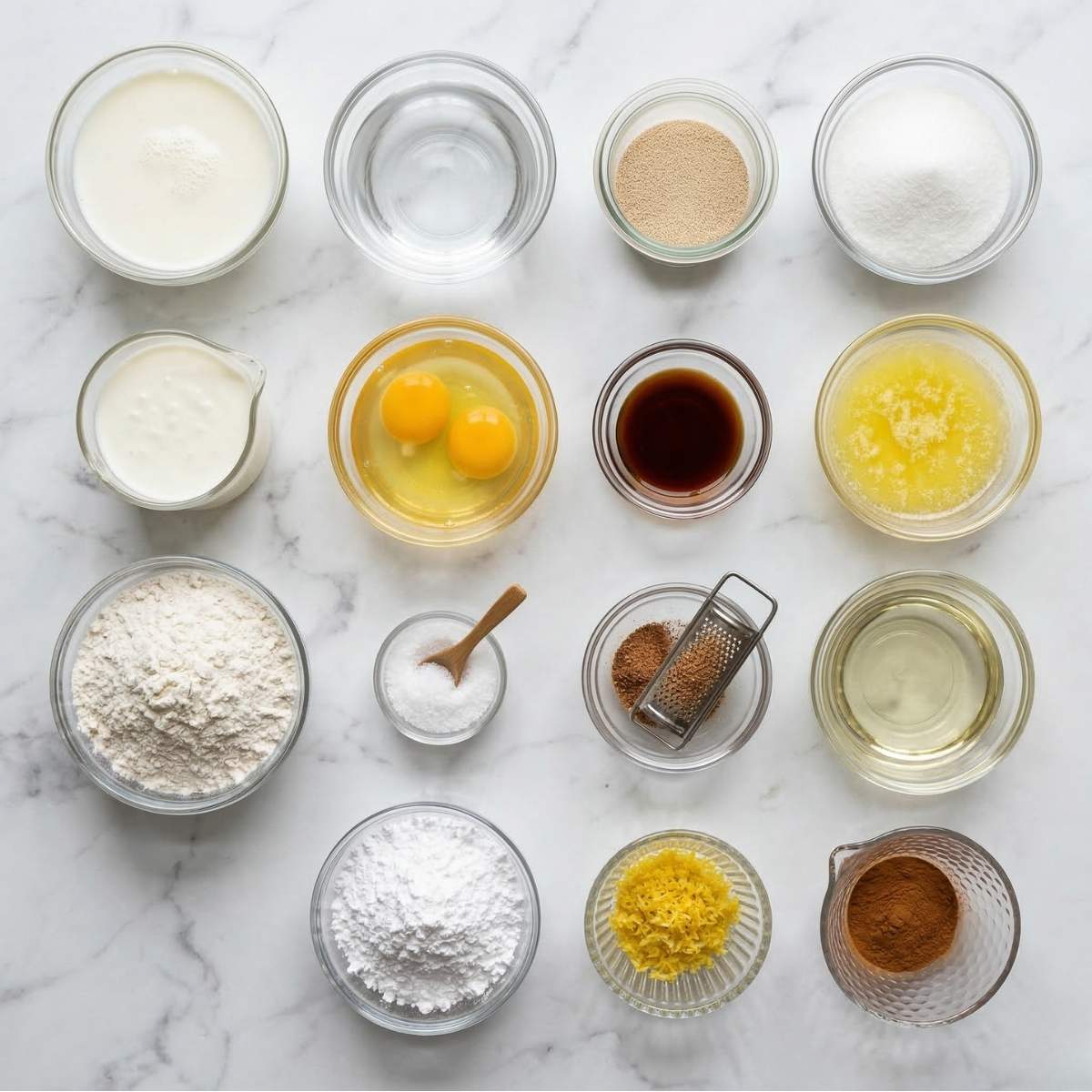
For the Beignet Dough:
- 1 cup whole milk (warmed to 110°F)
- ¼ cup warm water (110°F)
- 2 ¼ teaspoons active dry yeast (1 standard packet)
- ¼ cup granulated sugar (divided)
- 1 ½ cups buttermilk (room temperature)
- 2 large eggs (room temperature)
- 1 teaspoon vanilla extract
- 4 tablespoons unsalted butter (melted and slightly cooled)
- 4 ½ cups all-purpose flour (plus extra for dusting)
- 1 teaspoon salt
- ¼ teaspoon freshly grated nutmeg (optional)
For Frying:
- 6-8 cups neutral oil (peanut oil or grapeseed oil work best)
- Confectioners' sugar or powdered sugar (for dusting, about 2 cups)
Optional Add-ins:
- 1 tablespoon lemon zest (for lemon zest buttermilk beignets)
- 1 teaspoon cinnamon (for cinnamon beignets variation)
Why These Ingredients Matter
- Buttermilk creates tenderness – The acid in buttermilk reacts with the flour proteins to create a more tender, delicate crumb than you'd get with just whole milk alone
- Yeast needs the right temperature – The warm milk and water at 110°F activates the active dry yeast without killing it, which is crucial for getting that light, airy rise
- Room temperature ingredients blend better – Cold buttermilk and eggs don't incorporate smoothly into the dough, leading to uneven texture and slower rising
- Neutral oil is essential – Using peanut oil or grapeseed oil instead of butter or olive oil allows the beignets to fry at high heat without burning or adding unwanted flavor
How to Make Buttermilk Beignets
Step-by-Step Directions
- Activate the yeast – In a small bowl, combine the warm water, warm milk, and 1 tablespoon of the sugar, sprinkle the active dry yeast over the top, and let sit for 5-10 minutes until foamy and bubbly.
- Mix the wet ingredients – In a large bowl or the bowl of a stand mixer, whisk together the room temperature buttermilk, eggs, vanilla extract, melted butter, and remaining sugar until smooth and well combined.
- Add the yeast mixture – Pour the activated yeast mixture into the buttermilk mixture and whisk briefly to combine.
- Add the dry ingredients – Add the flour, salt, and nutmeg (if using) to the wet ingredients all at once.
- Mix the dough – Using the dough hook attachment on a stand mixer, mix on low speed for 2-3 minutes until the dough comes together, then increase to medium speed and knead for 5-7 minutes until smooth and elastic. Cooking Tip: The dough should be slightly sticky but pull away from the sides of the bowl, if it's too wet, add flour 1 tablespoon at a time until it reaches the right consistency.
- First rise – Transfer the dough to a lightly greased bowl, cover with plastic wrap or a damp kitchen towel, and let rise in a warm spot for 1-2 hours until doubled in size.
- Roll out the dough – Once risen, punch down the dough and turn it out onto a well-floured work surface, then roll it out to about ¼-inch thickness using a floured rolling pin.
- Cut into squares – Using a sharp knife or pizza cutter, cut the dough into 2-3 inch squares, you should get about 36-48 beignets depending on size.
- Second rise – Place the cut squares on a lightly floured baking sheet, cover loosely with a kitchen towel, and let rest for 20-30 minutes while you heat the oil.
- Heat the oil – Pour the neutral oil into a large, heavy-bottomed pot or Dutch oven to a depth of at least 3 inches, and heat over medium-high heat to 360-370°F (use a candy thermometer for accuracy).
- Test the oil – Drop a small piece of dough into the oil to test, it should sizzle immediately and float to the surface within a few seconds when the temperature is right.
- Fry in batches – Working in batches of 4-5 beignets at a time to avoid crowding, carefully drop the dough squares into the hot oil and fry for 1-2 minutes per side until they puff up into puffy pillows and turn golden brown.
- Flip and finish – Use a slotted spoon or spider to flip the beignets halfway through frying, then remove them when both sides are evenly golden.
- Drain – Transfer the fried beignets to a paper towel-lined plate or baking sheet to drain excess oil for about 30 seconds.
- Dust generously – While still warm, transfer the beignets to a serving platter and dust them very generously with confectioners' sugar or powdered sugar using a fine mesh sieve, then serve immediately while hot.
My Top Tips for This Recipe
Making perfect fluffy buttermilk beignets recipe results requires attention to a few key details that make all the difference between good and absolutely incredible.
- Don't skip the thermometer – Oil that's too hot will burn the outside before the inside cooks, and oil that's too cool will make greasy, heavy beignets instead of light ones
- Work quickly after cutting – Once you've cut the dough into squares, fry them within 30-40 minutes or they'll overproof and lose their structure
- Don't overcrowd the pot – Frying too many at once drops the oil temperature dramatically, leading to greasy beignets that don't puff properly
- Dust while hot – The powdered sugar adheres best and creates that iconic thick coating when the beignets are still warm from the oil
Little Moments in the Kitchen
I first decided to make beignets at home after Adam came back from a school trip to Louisiana and would not stop talking about the "square donuts with all the sugar."
For weeks, he asked if we could go to New Orleans just to get beignets, which was not exactly practical for a random Tuesday craving.
"I can probably make those," I told him one Saturday morning, which was met with immediate skepticism.
"They only make them in New Orleans," he said with the absolute certainty of an eleven-year-old who had been there once.
I pulled up a recipe on my phone and showed him that people do, in fact, make beignets at home.
He watched me proof the yeast, mix the dough, and let it rise with the same intense scrutiny usually reserved for science experiments.
"It's not going to taste the same," he predicted as I rolled out the dough and cut it into squares.
Grandma Viola wandered into the kitchen right as I was heating the oil.
"What's all this?" she asked, gesturing at the squares of dough lined up on the counter.
"Beignets," I told her. "Adam had them in New Orleans and now he's obsessed."
She picked up one of the raw dough squares and examined it.
"These are just fancy donuts," she declared, which made Adam immediately defensive about the honor of beignets.
When I dropped the first batch into the hot oil and they puffed up into those characteristic golden pillows, Adam literally gasped.
"They're doing the thing!" he said, pointing at the pot like it was performing magic.
I pulled them out, drained them briefly, and then absolutely buried them in powdered sugar the way they do at Café Du Monde.
Adam took one before they'd even fully cooled and bit through the cloud of sugar.
His eyes went wide and he didn't say anything for a solid five seconds, which is the longest he's been quiet while eating in years.
"Okay," he finally said, powdered sugar all over his face. "These might actually be better than the ones in New Orleans."
Grandma Viola tried one and nodded thoughtfully.
"Just fancy donuts," she repeated, but she ate three more and asked if I could make them again next weekend.
Substitutions for Buttermilk Beignets
While this buttermilk beignets recipe is pretty traditional, there are a few swaps you can make if you're missing an ingredient. If you love fried breakfast treats, my Red Velvet Cheesecake Layer Cake is another indulgent option for special occasions.
- Buttermilk – Make your own by adding 1 ½ tablespoons lemon juice or white vinegar to 1 ½ cups regular milk and letting it sit for 5 minutes
- Active dry yeast – Substitute with instant yeast (use the same amount and skip the proofing step, adding it directly to the flour)
- All-purpose flour – Use bread flour for a slightly chewier texture, though all-purpose works beautifully in this recipe
- Whole milk – Use 2% milk in a pinch, though whole milk creates a richer dough
- Peanut oil – Use vegetable oil, canola oil, or grapeseed oil for deep fried results that are just as good
Variations on Buttermilk Beignets
Once you've mastered this basic buttermilk beignets recipe easy method, these fun variations let you customize the flavors. For another impressive layered dessert, check out my Elegant Black Forest Cake Roll when you want something chocolate.
- Lemon Zest Buttermilk Beignets – Add 1 tablespoon of fresh lemon zest to the dough for a bright, citrusy version that's perfect for spring brunch
- Cinnamon Beignets – Mix 2 tablespoons cinnamon into the powdered sugar for dusting, or add 1 teaspoon to the dough itself for cinnamon sugar beignets
- Chocolate Beignets – Add ¼ cup cocoa powder to the dough and serve with chocolate sauce for dipping
- Buttermilk Biscuit Beignets Recipe – Use refrigerated buttermilk biscuit dough cut into squares for an ultra-quick version when you don't have time for yeast dough
- Filled Beignets – Once fried and cooled slightly, use a piping bag to inject chocolate ganache, pastry cream, or fruit preserves into the center
Equipment for Buttermilk Beignets
Having the right equipment makes this fluffy buttermilk beignets recipe much easier and helps ensure consistent results every time.
- Stand mixer with dough hook – Makes kneading the dough effortless, though you can knead by hand if needed
- Candy or deep-fry thermometer – Essential for maintaining the correct oil temperature between 360-370°F
- Large heavy-bottomed pot or Dutch oven – Holds heat evenly and safely contains the hot oil during deep frying
- Spider or slotted spoon – For safely adding and removing beignets from the hot oil
- Rolling pin – For rolling the dough to an even ¼-inch thickness
- Fine mesh sieve – For creating that iconic thick coating of confectioners' sugar
Storage Tips for Buttermilk Beignets
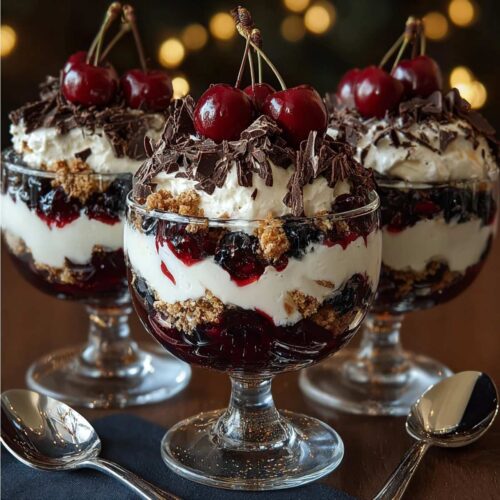
These buttermilk beignets are absolutely best served fresh and hot, but there are ways to store components ahead of time. For more make-ahead dessert ideas, my Black Forest Trifle is another impressive option.
- Best served immediately – Beignets are at their absolute peak within 15 minutes of frying, when they're still hot and crispy
- Store leftovers – Keep leftover beignets in an airtight container at room temperature for up to 24 hours, though they won't be as crispy
- Reheat carefully – Warm leftover beignets in a 350°F oven for 3-5 minutes to crisp them up slightly before serving
- Freeze the dough – You can freeze the shaped, unfried beignet squares on a baking sheet, then transfer to a freezer bag and fry straight from frozen (add 1-2 minutes to frying time)
- Make dough ahead – Prepare the dough through the first rise, then refrigerate overnight and bring to room temperature before rolling, cutting, and frying
Adam's Tip for Buttermilk Beignets
"The most important thing is to use way more powdered sugar than you think you need because half of it falls off anyway and you want to make sure every bite has enough sugar. Also, eat them right away when they're still hot because they're kind of boring when they're cold. And if you're making them for breakfast, make sure you have chicory coffee to dip them in because that's how they do it in New Orleans and it's really good even though I don't usually like coffee."
FAQ about Buttermilk Beignets
Can you use buttermilk for beignets?
Yes, buttermilk is actually an excellent choice for beignets because it creates a more tender, flavorful dough than regular milk alone. The acid in buttermilk reacts with the flour to produce a softer crumb and adds a subtle tangy flavor that complements the sweetness of the powdered sugar coating. Many bakeries and home bakers prefer buttermilk beignets for their superior texture and slightly more complex flavor profile compared to traditional milk-based versions.
What is the secret to making beignets?
The secret to perfect beignets is maintaining the right oil temperature (360-370°F) throughout frying and not overcrowding the pot, which drops the temperature and leads to greasy, heavy results. Another crucial element is working with properly proofed dough that's been allowed to rise fully before frying. The dough should be soft and slightly sticky but not overly wet, and the squares should rest briefly after cutting to relax the gluten for maximum puffiness.
What kind of milk is good for making beignets?
Whole milk is the best choice for making traditional beignets because its fat content creates a rich, tender dough, but this buttermilk beignets recipe uses a combination of whole milk and buttermilk for even better results. The buttermilk adds tenderness and subtle tang while the whole milk provides richness and helps activate the yeast. You can use 2% milk if needed, though the beignets will be slightly less rich, and avoid skim milk which produces a tougher, less flavorful dough.
Is it better to bake with milk or buttermilk?
For yeasted doughs like beignets, the choice between milk and buttermilk depends on the texture and flavor you're after. Buttermilk produces a more tender crumb because its acidity breaks down gluten strands, resulting in a softer, more delicate texture. It also adds a subtle tangy flavor that adds complexity to sweet doughs. Regular milk creates a more neutral flavor and slightly firmer structure. For the best of both worlds, this recipe uses both buttermilk and whole milk to balance tenderness, richness, and flavor.
Conclusion
Buttermilk Beignets are proof that you don't need to travel to Louisiana to experience the magic of fresh, hot beignets buried under a mountain of powdered sugar. The buttermilk creates a texture that's somehow both lighter and more tender than the traditional version, making these impossible to stop eating once you start. Every bite delivers that perfect contrast between the crispy exterior and the soft, pillowy interior that makes beignets so addictive.
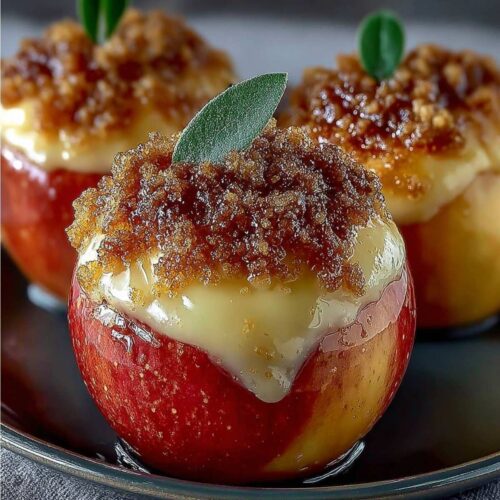
Whether you make these buttermilk beignets for a special Sunday brunch, a holiday breakfast, or just because you woke up craving something extraordinary, they're going to make your kitchen smell incredible and your family extremely happy. If you're looking for more ways to use buttermilk in your baking, check out this Cinnamon Apple Beignets with Caramel Sauce recipe for another delicious variation. Drop a comment below and let me know how yours turned out! Did you try the lemon zest version or keep them classic? Don't forget to check out my Cheesecake Stuffed Apples for another creative dessert when you want to impress without spending all day in the kitchen.
Related
Looking for other recipes like this? Try these:

Pairing
These are my favorite dishes to serve with Buttermilk Beignets:
recipe
Buttermilk Beignets (Better Than New Orleans!)
Equipment
- 1 Stand mixer with dough hook Makes kneading the sticky dough a breeze.
- 1 Dutch Oven or heavy-bottomed pot Great for maintaining steady oil heat.
- 1 Candy thermometer Crucial! We need that oil at exactly 360-370°F.
- 1 Pizza Cutter My secret tool for getting those perfect squares quickly.
Ingredients
- 1 cup whole milk Warmed to 110°F.
- ¼ cup warm water Warmed to 110°F.
- 2 ¼ teaspoon active dry yeast 1 standard packet.
- ¼ cup granulated sugar Divided.
- 1 ½ cups buttermilk Room temperature.
- 2 large eggs Room temperature.
- 1 teaspoon vanilla extract For that lovely aroma.
- 4 tablespoon unsalted butter Melted and cooled.
- 4 ½ cups all-purpose flour Plus extra for dusting.
- 1 teaspoon salt
- ¼ teaspoon freshly grated nutmeg The secret flavor boost.
- 6 cups neutral oil Peanut or Grapeseed oil works best.
- 2 cups confectioners' sugar For a thick, snowy coating.
Instructions
- "First, we wake up our yeast! Whisk the [warm water], [warm milk], and 1 tablespoon of [granulated sugar] in a small bowl. Sprinkle the [active dry yeast] on top. Little Olivia loves watching it turn foamy, it’s like a little science experiment in a bowl!"
- "In your stand mixer bowl, whisk together the [buttermilk], [eggs], [vanilla extract], [melted butter], and the rest of the [granulated sugar]. Make sure your eggs are room temperature so everything stays smooth!"
- Add the foamy yeast mixture to the bowl, then toss in the [all-purpose flour], [salt], and [nutmeg]. Use the dough hook to knead for about 5-7 minutes. It’s a sticky dough, but don't over-flour it! It should just pull away from the sides
- Cover the dough and let it rest in a warm spot for 1-2 hours. Olivia and I usually use this time to set the table and get the sugar sieve ready. You want it to double in size, puffy and happy!
- Punch the dough down (Olivia's favorite part!) and roll it out to ¼ inch thickness on a floured surface. Use a pizza cutter to make 2-inch squares. They don't have to be perfect, rustic squares taste just as sweet!
- Heat your [neutral oil] to 360°F. Carefully drop 3-4 squares in at a time. Watch them puff up like little pillows! Flip them after a minute until they are golden brown on both sides. Use a slotted spoon to drain them on paper towels.
- While they're still hot, bury the beignets in [confectioners' sugar]. Olivia is our official 'Sugar Boss', she makes sure they look like little snow-covered mountains. Serve them immediately while they're warm and melting in your mouth!
Notes
- Make-Ahead Tip: You can let the dough rise in the fridge overnight! Just bring it to room temperature for 30 minutes before rolling it out in the morning.
- Storage: Beignets are best fresh! If you have leftovers, reheat them in a 350°F oven for 3 minutes to crisp them back up.
- Kid-Friendly Tip: Let the kids help with the "sugar dusting" using a fine-mesh sieve. It makes a mess, but the memories (and the smiles) are worth every grain of sugar on the floor!
- Substitution: No buttermilk? No problem! Mix 1.5 cups of milk with 1.5 tablespoons of lemon juice and let it sit for 5 minutes before using.

Leave a Reply