
Burnt Basque Cheesecake is the complete opposite of everything you've been taught about making the perfect cheesecake, and that's exactly what makes it so genius. While traditional New York cheesecakes stress you out with water baths, precise temperatures, and the constant fear of cracks, this Burnt Basque Cheesecake throws all those rules out the window and bakes at screaming high heat until the top is deeply caramelized, blistered, and genuinely burnt-looking. The result is a dessert with a dark, almost blackened exterior surrounding the creamiest, most custard-like center you've ever tasted, and those cracks and imperfections that would ruin a regular cheesecake are exactly what make this one perfect.
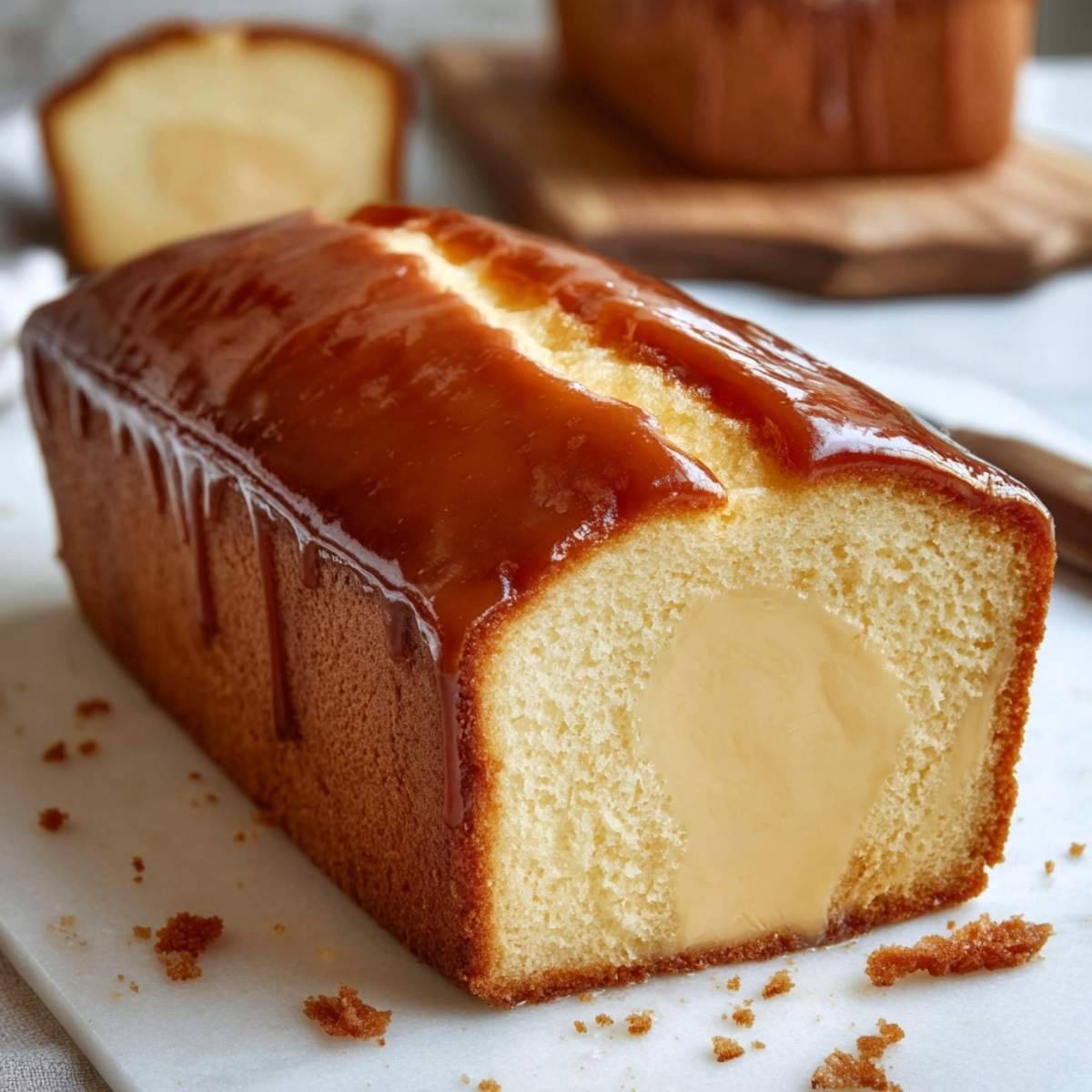
What makes this burnt basque cheesecake recipe so revolutionary is how forgiving and approachable it is compared to traditional cheesecake recipes. The first time I made this, I was convinced I'd ruined it when I pulled it from the oven and saw that dark, cracked top, but one bite of that silky interior completely changed my understanding of what cheesecake could be. Adam took one look at it and said "That looks burned," which is technically true, but after he tried it he declared it better than any "normal" cheesecake we'd ever made. Grandma Viola was skeptical about the rustic cracked cheesecake surface until she tasted it, then quietly asked for the recipe to bring to her next church potluck.
Jump to:
- Why You'll Love This Burnt Basque Cheesecake
- Ingredients for Burnt Basque Cheesecake
- How to Make Burnt Basque Cheesecake
- My Top Tips for This Recipe
- Little Moments in the Kitchen
- Substitutions for Burnt Basque Cheesecake
- Variations on Burnt Basque Cheesecake
- Equipment for Burnt Basque Cheesecake
- Storage Tips for Burnt Basque Cheesecake
- Adam's Tip for Burnt Basque Cheesecake
- FAQ about Burnt Basque Cheesecake
- Conclusion
- Conclusion
- Related
- Pairing
- recipe
Why You'll Love This Burnt Basque Cheesecake
- Impossible to mess up – The burnt top and cracks are the whole point, so there's no stress about achieving perfection
- No crust, no water bath – This crustless cheesecake batter means less work and fewer steps than traditional cheesecake recipes
- Incredible texture – The deeply caramelized burnt top crust gives way to a custard-like creamy center that's unlike any other cheesecake you've tried
Ingredients for Burnt Basque Cheesecake
This basque cheesecake original recipe uses an incredibly simple ingredient list with no fancy additions. The cream cheese-heavy batter base creates that signature jiggly center cheesecake texture.
What You'll Need
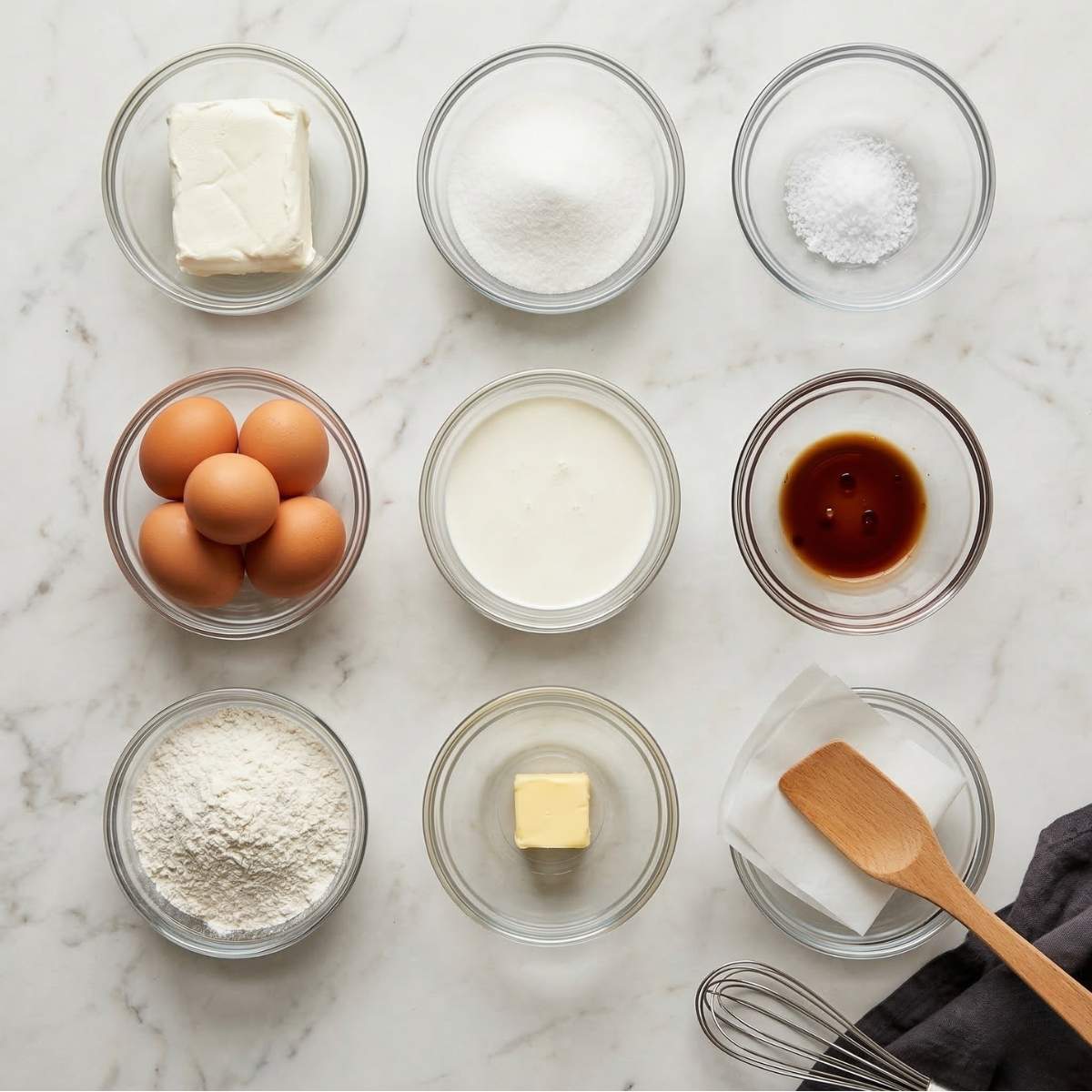
For the Cheesecake:
- 2 pounds (32 oz) cream cheese (room temperature, very important)
- 1 ½ cups granulated sugar
- ½ teaspoon kosher salt
- 6 large eggs (room temperature)
- 2 cups heavy cream (room temperature)
- 1 teaspoon vanilla extract
- 2 tablespoons all-purpose flour
For the Pan:
- Butter or cooking spray (for greasing)
- 2 large sheets of parchment paper (for lining)
Why These Ingredients Matter
- Room temperature cream cheese is absolutely crucial – Cold cream cheese creates lumps that won't blend out no matter how long you mix, resulting in a grainy texture instead of silky smooth
- Heavy cream adds richness – The high fat content creates that luxurious, almost liquid center that makes this San Sebastián La Viña cheesecake style so special
- High-temperature baked cheesecake method – Baking at 400-450°F creates the signature burnt top while keeping the center creamy, unlike traditional low-and-slow methods
- No water bath required – The high heat and high fat content prevent the need for a water bath, making this infinitely easier than traditional cheesecake
How to Make Burnt Basque Cheesecake
Step-by-Step Directions
- Preheat the oven – Set your oven to 400°F and position a rack in the middle of the oven.
- Prepare the springform pan – Generously butter or spray a 10-inch springform pan with cooking spray.
- Line with parchment – Cut two large sheets of parchment paper and use them to line the parchment-lined springform pan, pressing them into the bottom and up the sides and letting the excess hang over the edges (the wrinkled, rustic look is intentional and part of the charm).
- Beat the cream cheese – In a large bowl using an electric mixer, beat the room-temperature cream cheese on medium speed for 2-3 minutes until completely smooth with no lumps whatsoever.
- Add sugar and salt – Add the granulated sugar and kosher salt, then beat on medium-high speed for another 2-3 minutes until light and fluffy.
- Add eggs one at a time – Add the eggs one at a time, beating well after each addition until fully incorporated before adding the next one.
- Add cream – Pour in the heavy cream and vanilla extract, beating on medium speed until the mixture is smooth and well combined.
- Add flour – Add the flour and beat just until incorporated, about 30 seconds. Cooking Tip: Don't overmix once you add the flour or the cheesecake can become tough, mix just until you don't see any white flour streaks and then stop immediately.
- Check the consistency – The batter should be very liquid and pourable, almost like a thick heavy cream consistency rather than thick and dense.
- Pour into pan – Pour the batter into the prepared parchment-lined springform pan, smoothing the top gently with a spatula.
- Tap out bubbles – Gently tap the pan on the counter a few times to release any large air bubbles.
- Bake at high heat – Place the pan on a baking sheet (to catch any drips) and bake at 400°F for 50-60 minutes until the top is deeply browned, almost black in spots, and the center still has a significant jiggle when you shake the pan gently.
- Don't overbake – The cheesecake is done when the edges are set and puffed but the center 4-5 inches still wobbles like Jell-O, it will continue setting as it cools.
- Cool completely – Remove from the oven and let the cheesecake cool completely in the pan at room temperature for at least 4 hours (the center will sink and deflate as it cools, this is normal and correct).
- Chill and serve – Once cooled, refrigerate for at least 2 hours or overnight, then remove from the pan, peel away the parchment paper, and serve at room-temperature cheesecake serving temperature for the best texture and flavor.
My Top Tips for This Recipe
Making this burnt basque cheesecake recipe nigella-style perfectly requires attention to a few key details that ensure the best results.
- Room temperature everything – Cold ingredients don't blend smoothly and create a lumpy, dense texture instead of that signature silky custard center
- Don't fear the burnt look – The top should be very dark, almost black in spots, that's the whole point and what creates the amazing caramelized flavor
- Embrace the jiggle – The center should still wobble significantly when you take it out, it firms up as it cools but stays creamy in the middle
- Let it cool fully before refrigerating – Putting a hot cheesecake in the fridge creates condensation and can make the texture weird, let it cool at room temp first
Little Moments in the Kitchen
I first learned about Burnt Basque Cheesecake from a food magazine article about La Viña, the restaurant in San Sebastián, Spain where this style originated.
The photos showed this dark, cracked, almost scary-looking cheesecake that was described as revolutionary.
I was immediately intrigued by the idea of a cheesecake that was supposed to look burnt.
When I showed the pictures to Adam, he wrinkled his nose.
"Why would anyone burn a cheesecake on purpose?" he asked, genuinely confused.
I explained that it wasn't actually burned in a bad way, just deeply caramelized, and that it was supposed to look rustic and imperfect.
Grandma Viola came into the kitchen while I was getting my ingredients ready.
"What are you making?" she asked, eyeing the massive amount of cream cheese on the counter.
I told her I was making a Basque cheesecake that's baked at really high heat until the top gets dark and burnt-looking.
She looked at me like I'd lost my mind.
"In my day, we called that a mistake, not a recipe," she said flatly.
I assured her this was intentional and famous, and she agreed to reserve judgment until she tried it.
When I poured the batter into the parchment-lined pan, Adam noticed how wrinkly and messy the paper looked.
"Shouldn't you smooth that out?" he asked.
I explained that the wrinkled parchment creates those rustic folds on the sides of the finished cheesecake, which is part of the aesthetic.
After it baked for about 45 minutes, the top was deeply brown and starting to blacken in spots.
Adam came running when he smelled it.
"Something's burning!" he said, concerned.
I opened the oven to show him the dark, puffed cheesecake.
"That's supposed to happen," I told him.
Grandma Viola peered into the oven and shook her head.
"That looks like a disaster," she said, but she didn't sound entirely disapproving, just curious.
When I pulled it out and it deflated as it cooled, creating all those beautiful cracks and wrinkles, it looked exactly like the photos from La Viña.
After it chilled overnight, I sliced into it to reveal that impossibly creamy, almost liquid center.
Adam tried it first and his eyes went huge.
"This is the creamiest thing I've ever eaten," he said. "It's like custard but also cheesecake."
Grandma Viola took a careful bite, chewed thoughtfully, and then took another bigger bite.
"Well," she said finally. "I suppose the Spanish know what they're doing after all."
She ate her entire slice and asked if she could take a piece home.
Substitutions for Burnt Basque Cheesecake
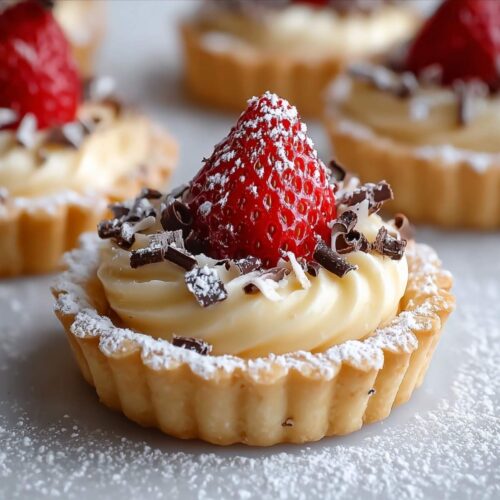
While this burnt basque cheesecake ingredients list is pretty standard, there are a few swaps you can make if needed. If you love creamy desserts, my White Chocolate Mousse Tart is another elegant option.
- Cream cheese – Use Neufchâtel for a slightly lighter version, but avoid low-fat cream cheese which creates a grainy texture
- Heavy cream – Substitute with half-and-half for a less rich (but still good) version
- Granulated sugar – Use superfine sugar which dissolves even more easily, or try light brown sugar for a deeper caramel flavor
- All-purpose flour – Use cornstarch instead if you want to make this gluten-free
- Vanilla extract – Try almond extract, orange extract, or espresso powder for different flavor profiles
Variations on Burnt Basque Cheesecake
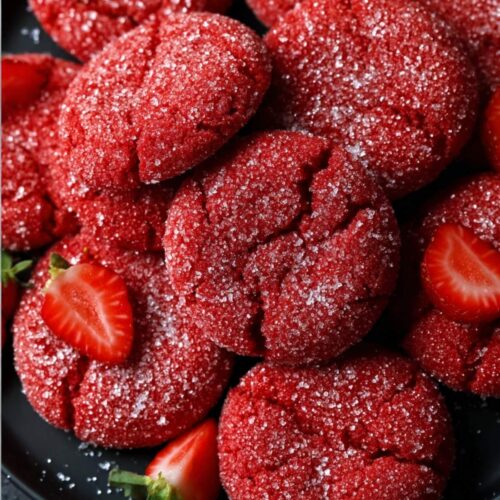
Once you've mastered this basic burnt basque cheesecake origin recipe from La Viña, these variations add creative twists. For another unique dessert, check out my Strawberry Sugar Cookies for something completely different.
- Chocolate Burnt Basque – Add ½ cup cocoa powder to the batter for a deep chocolate version
- Lemon Burnt Basque – Add 2 tablespoons lemon zest and ¼ cup lemon juice for a bright citrus twist
- Matcha Burnt Basque – Whisk 2 tablespoons matcha powder into the batter for a stunning green tea version
- Berry Swirl – Swirl ½ cup berry puree through the batter before baking for beautiful marbling
- Espresso Burnt Basque – Add 2 tablespoons instant espresso powder to the batter for coffee lovers
Equipment for Burnt Basque Cheesecake
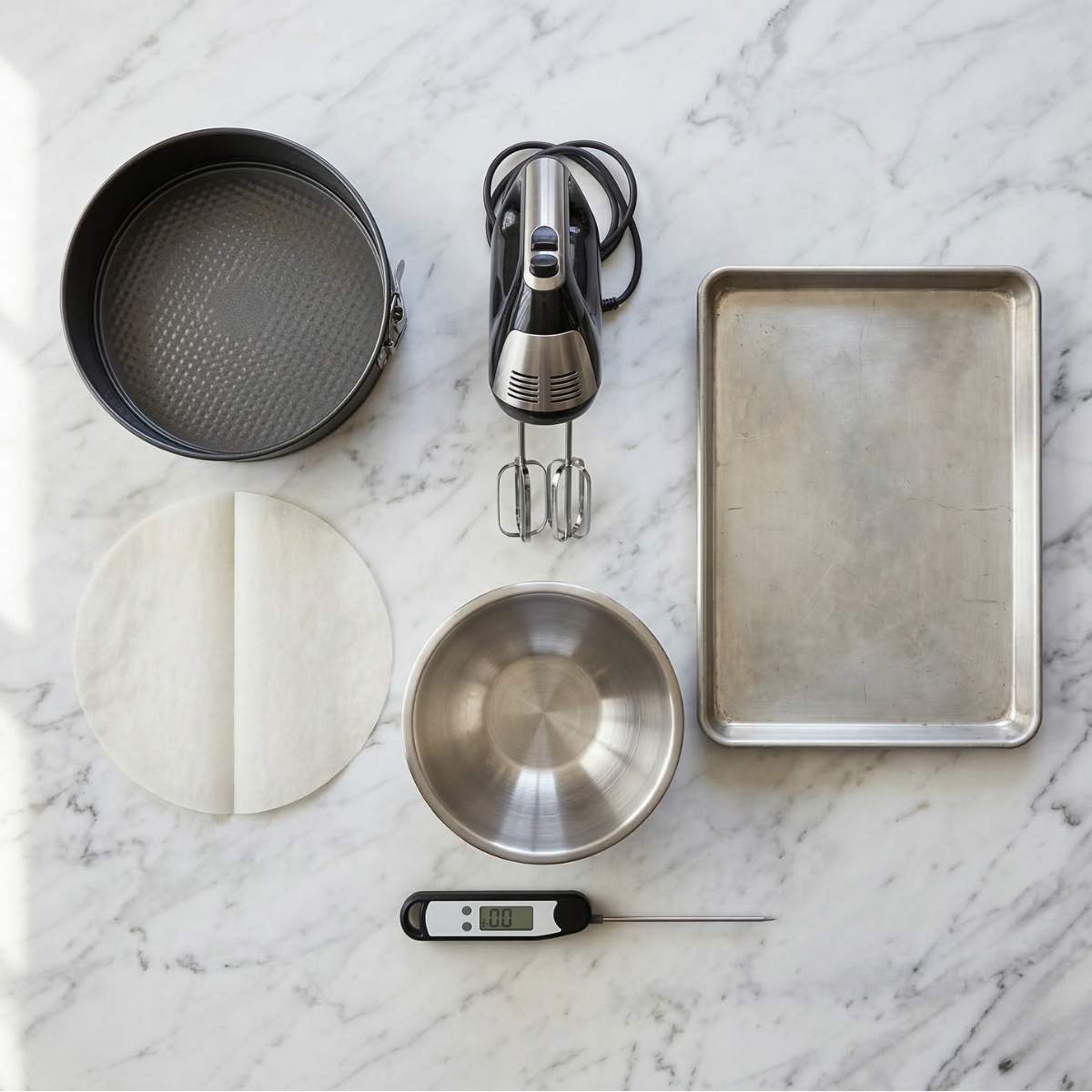
Having the right equipment makes this burnt basque cheesecake pronunciation "keek oh PAH-vey" (though most English speakers just say "Basque cheesecake") much easier to make perfectly.
- 10-inch springform pan – Essential for this recipe, the removable sides make it easy to release the delicate cheesecake
- Parchment paper – Creates that signature rustic look with wrinkled sides and prevents sticking
- Electric mixer – Makes beating the cream cheese smooth and lump-free effortless
- Baking sheet – To place under the springform pan in case any batter leaks during baking
- Instant-read thermometer – Optional but helpful, the center should read 155-160°F when done
- Large mixing bowl – For making the batter with plenty of room to mix without splashing
Storage Tips for Burnt Basque Cheesecake
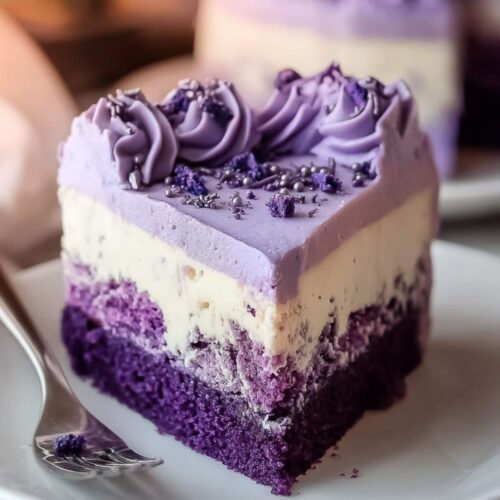
This burnt basque cheesecake near me bakery-quality dessert keeps beautifully in the refrigerator. For more make-ahead desserts, my Ube Tres Leches Cake is another stunning option.
- Refrigerate always – Store covered in the refrigerator for up to 5 days
- Serve at room temperature – Take the cheesecake out of the fridge 30-60 minutes before serving for the best creamy texture
- Cover properly – Use plastic wrap or foil to prevent the cheesecake from absorbing refrigerator odors
- Freezes beautifully – Wrap tightly in plastic wrap and foil and freeze for up to 2 months, thaw overnight in the refrigerator
- Gets better with time – The flavor actually improves after a day or two as the burnt caramel notes develop
Adam's Tip for Burnt Basque Cheesecake
"Don't freak out when the top looks really dark and scary because that's the whole point of this cheesecake. And make sure everything is room temperature before you start or you'll get lumps. Also let it cool all the way before you put it in the fridge or it gets weird and watery."
FAQ about Burnt Basque Cheesecake
What is the difference between burnt cheesecake and Basque cheesecake?
There is no difference between burnt cheesecake and Basque cheesecake, they are two names for the same dessert. "Basque cheesecake" refers to the origin of the recipe from the Basque region of Spain, specifically from La Viña restaurant in San Sebastián, while "burnt cheesecake" describes the characteristic deeply caramelized, almost blackened top. Both names refer to this crustless, high-heat baked cheesecake with a jiggly custard center and intentionally burnt exterior that's the complete opposite of traditional smooth, pale cheesecakes.
Is cheesecake good for heart patients?
Traditional cheesecake, including this burnt Basque cheesecake, is not particularly heart-healthy due to its high saturated fat content from cream cheese, heavy cream, and eggs. A typical slice can contain 400-600 calories and 30-40 grams of fat, much of it saturated. Heart patients should consume cheesecake in moderation as an occasional treat rather than a regular dessert, and may want to consider lighter versions made with reduced-fat cream cheese or Greek yogurt, though these won't have the same rich texture as the authentic burnt basque cheesecake recipe.
Can a lactose intolerant person eat cheesecake?
A lactose intolerant person generally cannot eat traditional cheesecake like this Burnt Basque Cheesecake without experiencing digestive discomfort, as it contains large amounts of lactose from cream cheese, heavy cream, and sometimes sour cream. However, some lactose intolerant individuals can tolerate small amounts of dairy or can take lactase enzyme supplements before eating. Alternatively, there are lactose-free cream cheese and dairy-free versions available that can be used to make lactose-free cheesecake, though the texture and flavor will differ from the traditional dairy-based version.
Is cheesecake better for diabetics?
Cheesecake is not ideal for diabetics due to its high sugar content (this recipe contains 1 ½ cups of sugar plus natural sugars in dairy) and refined carbohydrates. A single slice can contain 30-50 grams of carbohydrates and cause significant blood sugar spikes. However, compared to other desserts, cheesecake's high fat and protein content from cream cheese and eggs can slow sugar absorption slightly. Diabetics who want to enjoy cheesecake should do so in very small portions, factor it into their meal plan, and consider sugar-free versions made with alternative sweeteners, though these won't taste identical to the burnt basque cheesecake price-worthy original.
Conclusion
Conclusion
Burnt Basque Cheesecake proves that breaking the rules can lead to something truly spectacular. That dark, cracked top and impossibly creamy center happen without water baths or stress about perfection, making this the most approachable special occasion dessert you'll ever make.
This burnt basque cheesecake recipe delivers bakery-quality results with minimal effort, and the rustic appearance combined with that silky texture never fails to impress. For more context on the original La Viña version, this Burnt Basque Cheesecake recipe from Allrecipes offers another take on the classic. Drop a comment and tell me how yours turned out! And if you're looking for another impressive dessert, check out my Strawberry Crackle Salad for something completely different.
Related
Looking for other recipes like this? Try these:
Pairing
These are my favorite dishes to serve with Burnt Basque Cheesecake:


recipe
Burnt Basque Cheesecake
Equipment
- 1 10-inch springform pan Removable sides make it easier to release the delicate cheesecake.
- 2 large sheets parchment paper Used to line the pan and create the classic rustic edges.
- 1 Electric mixer Helps create a silky smooth batter.
- 1 Large mixing bowl
- 1 Baking Sheet Place under the springform pan to catch any drips.
- 1 Spatula
Ingredients
- 32 oz cream cheese room temperature
- 1 ½ cups granulated sugar
- ½ teaspoon kosher salt
- 6 large eggs room temperature
- 2 cups heavy cream room temperature
- 1 teaspoon vanilla extract
- 2 tablespoons all-purpose flour
- 1 tablespoon butter or cooking spray for greasing pan
- 2 sheets parchment paper
Instructions
- Preheat the oven to 400°F (200°C). I always ask my daughter Olivia to help press the oven button, it makes her feel like she’s officially starting the recipe. A properly heated oven is the secret to that beautifully burnt top!
- Grease a 10-inch springform pan with [butter]. Line it with two big sheets of [parchment paper], pressing them into the sides so the paper folds and wrinkles naturally. My Olivia loves crinkling the parchment, it’s messy but that rustic look is exactly what we want.
- In a large bowl, beat the [cream cheese] using an electric mixer for about 2–3 minutes until smooth and lump-free. I always tell Olivia this is the moment to be patient, smooth cream cheese means a silky cheesecake later.
- Add the [granulated sugar] and [kosher salt] to the cream cheese. Beat again until the mixture becomes light and fluffy. Olivia usually sneaks a tiny taste here and proudly announces it’s already delicious.
- Crack in the [eggs] one at a time, mixing well after each addition. I let Olivia crack the eggs into a small bowl first, less mess and it gives her confidence in the kitchen.
- Pour in the [heavy cream] and [vanilla extract]. Beat until the batter looks smooth and glossy. It should already look rich and luxurious.
- Add the [all-purpose flour] and mix just until incorporated. I always remind Olivia not to overmix, just enough so the flour disappears.
- Pour the batter into the prepared parchment-lined pan and gently smooth the top with a spatula. Tap the pan lightly on the counter to release air bubbles. Olivia loves doing the “tap-tap dance” with the pan.
- Bake for 50–60 minutes until the top turns deep brown and almost burnt. The center should still jiggle slightly when you shake the pan. Don’t worry, this dramatic look is exactly what makes Burnt Basque Cheesecake special.
- Let the cheesecake cool completely at room temperature for about 4 hours, then refrigerate for at least 2 hours. The center will settle and become creamy. Olivia always watches it slowly sink and calls it “the cheesecake magic.”
- Remove the cheesecake from the pan and peel away the parchment paper. Slice and serve slightly chilled or at room temperature. Watching Olivia take that first bite always reminds me why these recipes are worth saving forever.
Leave a Reply